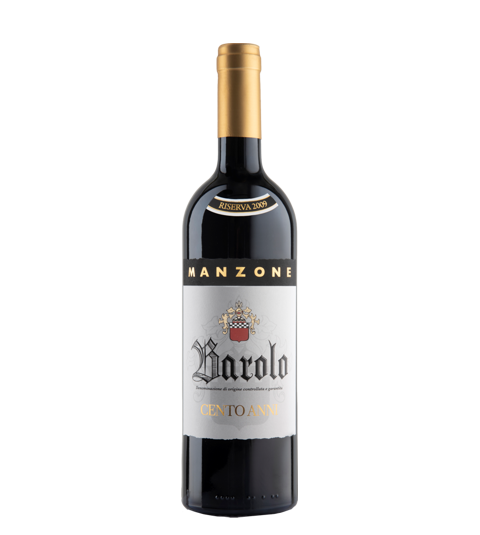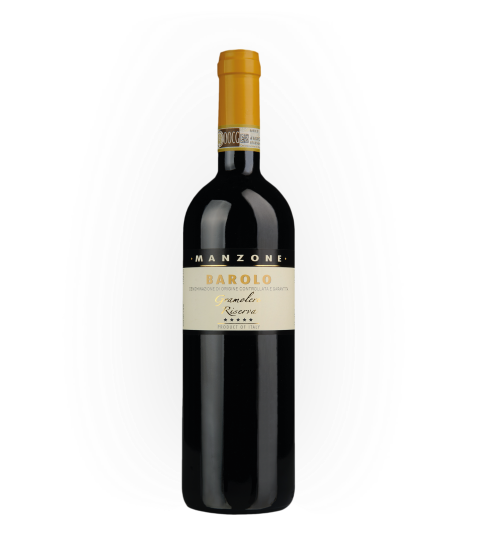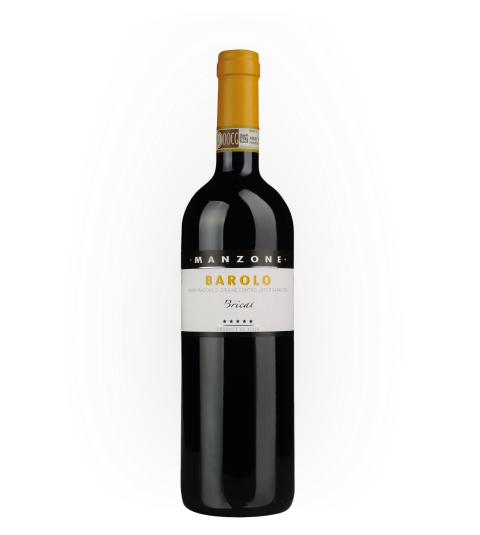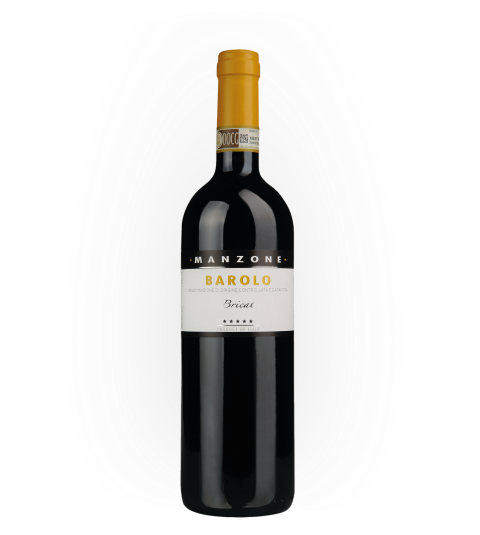

A bottle of Barolo can carry many things – prestige, critical attention, price, even ceremony. What it cannot fake is origin. That is why a family owned Barolo winery still holds such weight for serious wine drinkers. In Barolo, where site, season and judgement matter deeply, continuity is not a romantic extra. It is part of the wine itself.
In the Langhe, families do not simply own vineyards. They live with them across decades. They learn where the wind turns cooler in the evening, which rows react first to a dry summer, and how a cru behaves when the vintage asks for patience rather than force. This kind of understanding does not come from fashion. It is earned slowly, then protected.
What sets a family owned Barolo winery apart
Barolo is one of Italy’s most exacting wines. Nebbiolo is late ripening, transparent to place and rarely forgiving. In such a demanding appellation, decisions in the vineyard and cellar have lasting consequences. A family estate often works with a different horizon in mind. The objective is not merely to release a successful vintage. It is to hand on healthy vineyards, a clear reputation and wines that remain truthful to their ground.
That long view changes behaviour. Fruit is not treated as raw material to be corrected into a house style. Instead, the vineyard leads. In the cellar, restraint has purpose. Intervention may solve a short-term problem, but it can also flatten detail, polish away character or make one site taste much like another. For those who value Barolo for nuance rather than uniformity, that trade-off matters.
This does not mean every family producer works identically, nor that heritage alone guarantees quality. Some estates are more traditional, others more precise and contemporary in their methods. The point is subtler. Where family continuity is real, there is often a stronger relationship between land, memory and choice. The wines feel less manufactured and more anchored.
Heritage in Barolo is not a slogan
The word heritage is often overused in wine. In Barolo, it means something concrete. Vineyard holdings passed through generations preserve a direct link between family and place. That matters most in important sites, where intimate knowledge of exposure, soil and altitude sharpens every decision from pruning to harvest date.
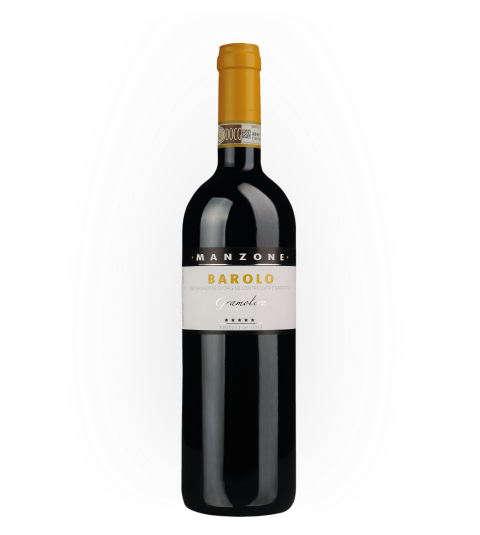
Within the denomination, crus such as Gramolere and Castelletto have earned their standing because they produce Barolo of distinct profile and longevity. Yet even celebrated sites are not interchangeable. One slope may yield structure and dark tension, another perfume and lift. Smaller plots, old vines and historical parcels add further layers. A family that has cultivated the same ground for generations does not need to invent a story around terroir. The vineyard already tells it.
For the drinker, this offers reassurance of a particular kind. Not the reassurance of standardisation, but of consistency of intent. You are not buying a brand detached from its source. You are buying the result of repeated observation in the same hills, under the same family stewardship.
The role of terroir in a family owned Barolo winery
Terroir can sound abstract until it is tasted in the glass. In Barolo, it appears through tannin shape, aromatic profile, pace and persistence. Soil composition, aspect and elevation all matter, but so does the judgement not to obscure them.
A family owned Barolo winery with a serious commitment to terroir usually works with a simple conviction: great vineyards should not be pushed into sameness. Respectful viticulture aims for balanced fruit rather than excess. Harvest is timed for expression, not just concentration. In the cellar, extraction and élevage are handled with enough care to support the wine, not dominate it.
The language around minimal intervention can sometimes become vague. Used properly, it is disciplined rather than ideological. It asks what the wine truly needs and what it does not. Barolo still requires rigour. Nebbiolo demands attention. But there is a notable difference between guiding a wine and overworking it. The best estates know where that line sits, even if each vintage places it in a slightly different position.
This is where experience becomes visible. A hot year may call for gentler handling to preserve freshness. A cooler season may require confidence to wait. Non-intervention is not passivity. It is informed restraint.
Why provenance matters more than ever
For collectors and fine wine buyers in Britain, provenance has become central to how value is judged. There is greater interest in independent estates, transparent farming and wines with a clear sense of origin. Barolo sits naturally within that conversation, but not all bottles answer it equally well.
A family producer with estate vineyards offers a cleaner line of sight. You can understand where the fruit comes from, who farms it and what philosophy guides the wine. That clarity is especially compelling in an era when prestige can be manufactured as easily as packaging. Fine wine drinkers are not only purchasing quality. They are purchasing credibility.
Critical recognition still matters, of course. It helps buyers navigate a crowded market and rewards sustained excellence. Yet scores alone rarely create loyalty. Loyalty comes when the wine and the story align – when the acclaim confirms what the bottle already suggests: precision, personality and place.
Visiting the Langhe changes the conversation
There is also a human reason many drinkers seek out a family estate. In the Langhe, hospitality is part of understanding the wine. To stand among the Barolo hills, to see how close one cru lies to another while tasting their differences, is to grasp why this region inspires such devotion.
A visit to a small estate often feels different from a polished corporate experience. The pace is slower. The conversation tends to return to the vineyard, the vintage, the family table, the long continuity between work and land. For travellers who care about authenticity, that intimacy is not incidental. It often becomes the most memorable part of the journey.
The best visits do not rely on spectacle. They rely on confidence. A serious family estate does not need to overstate itself. The cellar, the slopes, the old holdings and the wines provide enough evidence.
Choosing the right estate for your cellar
If you are looking for a Barolo to drink over many years, or to follow through multiple vintages, family ownership can be a useful guide – but it should not be the only one. Start with the fundamentals. Are the vineyards estate-grown? Are the crus clearly identified? Does the producer speak with precision about place? Is there a visible philosophy in the cellar, and does the wine support it?
Then consider style. Some Barolo leans towards austere structure in youth, rewarding long ageing. Some offers earlier approachability while retaining depth. Neither is inherently superior. It depends on your palate, your patience and the role the wine will play in your cellar.
It is also worth paying attention to scale. Limited production often means greater intimacy with each parcel, but scarcity alone is not virtue. What matters is whether the producer uses that scale to preserve detail and character. A smaller estate can be meticulous. A larger one can be equally serious. The key question is whether the wine still feels rooted in its vineyards.
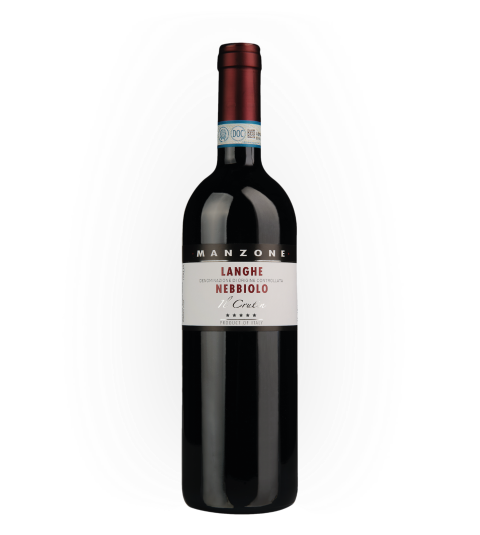
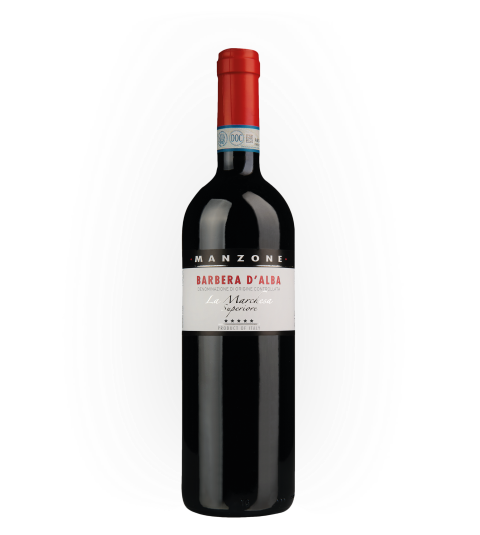
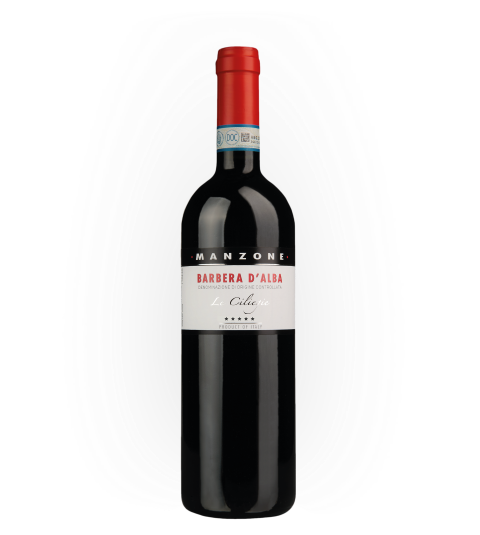
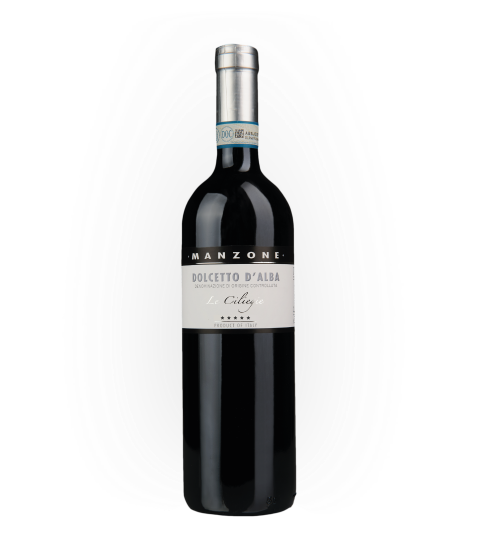
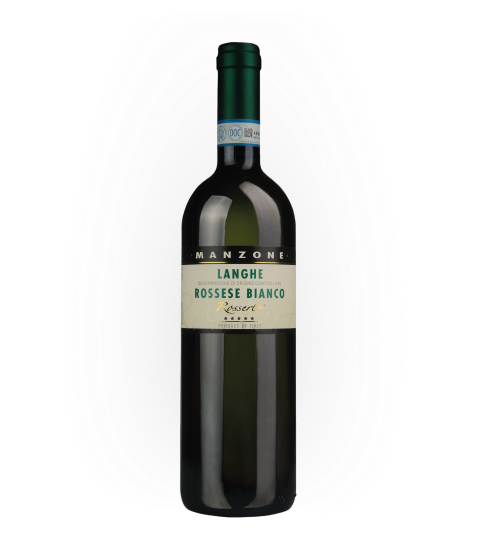
For those seeking that combination of lineage, cru identity and restrained cellar work, estates such as Manzone Giovanni represent the enduring strength of Barolo at its most honest. The appeal lies not only in history, but in the continued ability to translate that history into bottles of character.
A great Barolo does more than age well or earn praise. It keeps faith with its hillside, its vintage and the hands that have tended both over time. That is the lasting value of choosing a family estate – not sentiment, but substance you can taste.