

A serious cellar is rarely built by chance. It takes patience, judgement and access – especially when the wines in question come from small estates, historic vineyards and limited parcels that disappear quickly. That is why a wine club for collectors can be far more than a convenient subscription. At its best, it becomes a disciplined route to provenance, continuity and bottles worth following over time.
For collectors of fine Italian wine, that distinction matters. There is a wide difference between receiving assorted cases chosen for broad appeal and joining a producer-led club shaped by place, vintage and long-term ageing potential. The first may offer variety. The second can offer a real collection.
What a wine club for collectors should actually provide
Many wine clubs are designed for casual drinking. There is nothing wrong with that, but collectors need something else. They need selectivity, not volume. They need credibility, not novelty for its own sake. Above all, they need confidence that the wines entering the cellar have a reason to be there.
A proper wine club for collectors should begin with provenance. Estate-direct access is important because it shortens the chain between cellar and buyer. It gives greater reassurance on storage history, release conditions and authenticity. When a bottle is intended for ten, fifteen or twenty years of ageing, provenance is not a detail. It is part of the wine’s value.
It should also provide continuity. A collector often wants to follow a producer across vintages, compare crus, and understand how a wine evolves over time. This is difficult to do through occasional retail purchases alone, particularly with limited-production Barolo or site-specific bottlings that are heavily allocated. A club with a clear allocation philosophy can make that journey possible.
Why producer-led clubs matter more than mixed cases
There is a place for merchant clubs that introduce a broad range of regions and styles. They can be enjoyable and educational. Yet for a collector, a producer-led model often offers the deeper reward.
When a club is tied to an estate, membership is shaped by one philosophy, one landscape and one family’s work over generations. That creates coherence. Instead of acquiring random bottles that happen to arrive each quarter, the collector builds a relationship with a domaine and a territory. In regions of strong identity such as Barolo, this matters enormously.
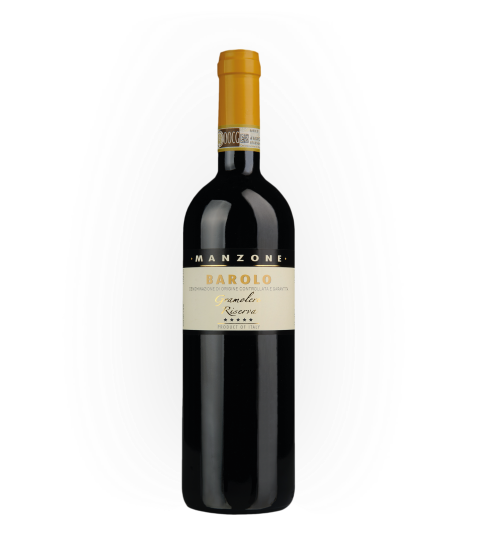
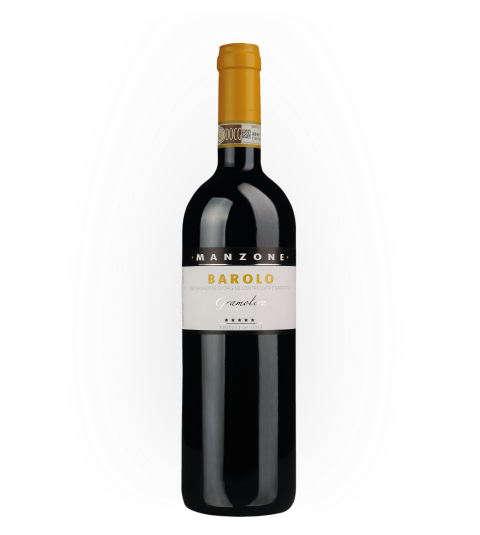
The finest cellar holdings are often built around producers rather than categories. A collector may not simply want “Italian reds”. They may want to follow a family through the great slopes of Monforte d’Alba, understand the distinctions between Gramolere and Castelletto, and see how non-intervention in the cellar carries vineyard character into bottle. That is the difference between buying wine and collecting it.
The signs of a club worth joining
A collector should read a wine club in the same way one reads a label – carefully. The right signals are usually clear.
The first is scarcity with purpose. Limited access is only meaningful when it reflects limited production, important sites or careful selection. Manufactured exclusivity is easy to create. Genuine scarcity comes from estate holdings, small yields and the discipline not to stretch a wine beyond what the vineyard gives.
The second is transparency. A serious club should make clear what members can expect, whether that means first access to new releases, reserved allocations, older vintages, large formats or special bottlings not broadly distributed. Collectors do not need theatrics. They need clarity.
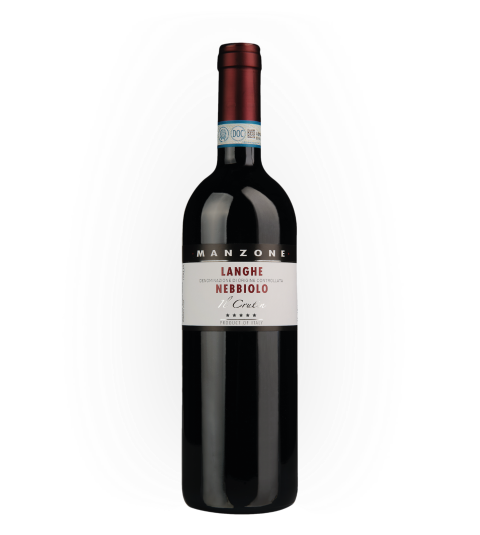
The third is age-worthiness. Not every fine wine needs decades, but a collector’s club should offer wines with structure, balance and identity enough to reward patience. In Piedmont, this often means Nebbiolo with tannin, freshness and precision rather than softness engineered for immediate applause.
The fourth is consistency of vision. A club built around a clear estate philosophy – respectful viticulture, fidelity to terroir, restraint in the cellar – gives collectors something more valuable than variety. It gives them trust.
Barolo and the collector’s instinct
Few regions speak more naturally to collectors than Barolo. It combines historic vineyards, distinct village identities, long ageing horizons and annual variation that remains intellectually compelling. Great Barolo is not static. It shifts with vintage, site and time in bottle, yet retains the authority of place.
This is exactly why a thoughtful club model works so well in the region. Collectors want access not just to Barolo in general, but to individual interpretations rooted in named crus and established family holdings. They want to follow a wine from release into maturity. They want to compare one slope with another and watch a cooler vintage reveal itself slowly.
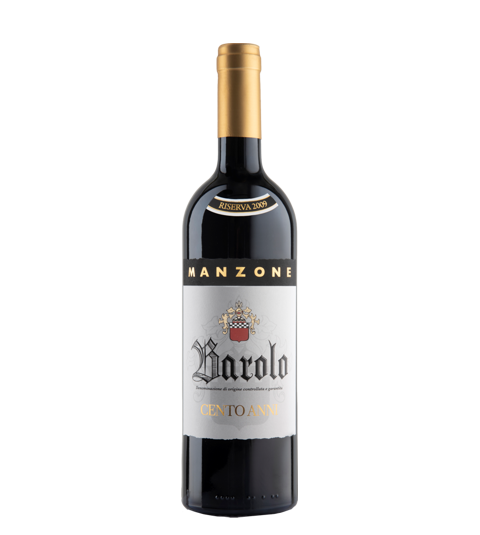
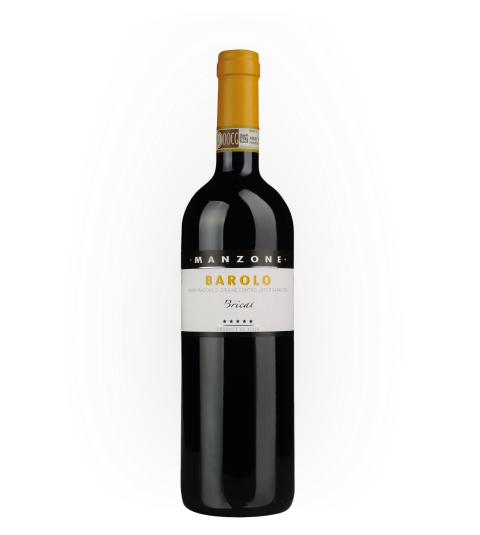
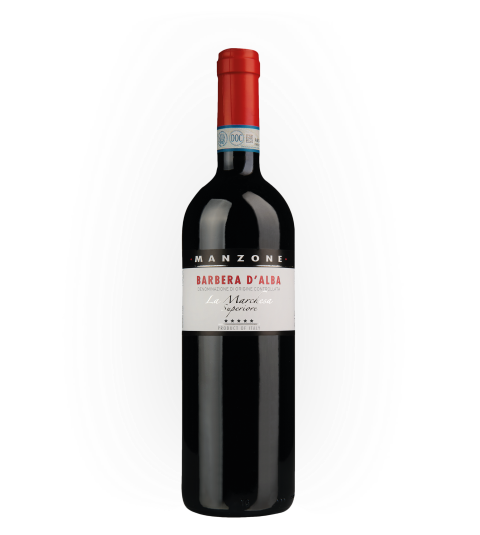
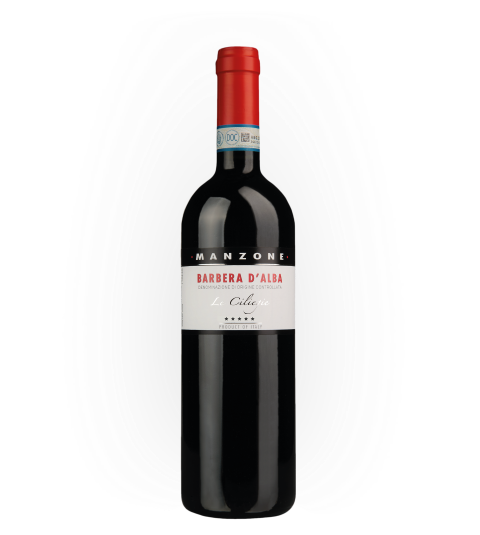
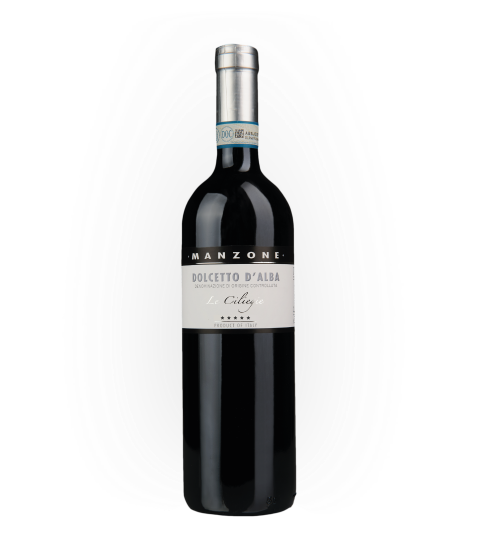
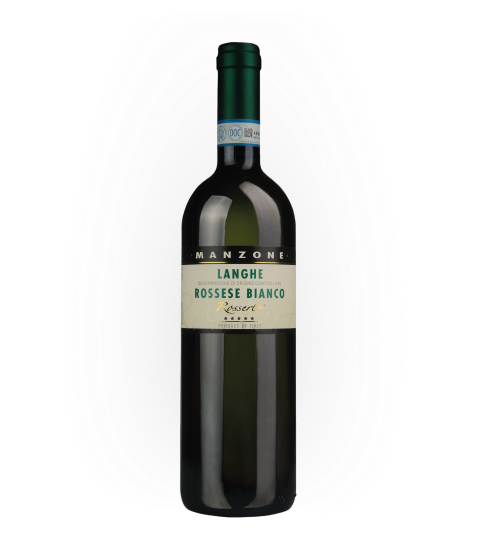
An estate such as Manzone Giovanni, with wines drawn from recognised sites and shaped by a family history across generations, offers the kind of continuity collectors value. The appeal lies not in abundance but in precision – a small set of wines with distinct origin, serious structure and a clear point of view.
The trade-off between discovery and depth
There is, of course, a trade-off. A broad merchant club may expose a collector to more regions, grapes and styles. That can be useful, particularly for newer buyers still defining their taste. A focused estate club offers less breadth, but usually more depth.
Which matters more depends on the collector. If the aim is general exploration, a mixed club may serve well for a time. If the aim is to build verticals, compare vineyard expressions and secure bottles that may later become difficult to source, depth tends to matter more. Most mature collections are not built on endless novelty. They are built on conviction.
This is especially true at the fine wine end of the market, where the most meaningful bottles are often those purchased repeatedly over years. The collector who follows a trusted estate through multiple vintages usually gains more insight – and often more pleasure – than the buyer who constantly moves on.
Provenance, storage and release timing
Collectors tend to focus on the wine itself, but the route by which it arrives matters almost as much. A wine club for collectors should reduce uncertainty, not add to it.
Direct allocation from the estate can offer reassurance on source and release timing. Some wines benefit from being sold young. Others are better after further rest. A serious producer understands this rhythm and can release with intention rather than haste. That matters with structured wines such as Barolo, where the difference between early acquisition and well-timed acquisition can shape both drinking experience and cellar planning.
Storage is another consideration. If club shipments are handled poorly, the value of access is diminished. The finer the wine, the less room there is for compromise. For collectors in Great Britain, practical questions around shipping conditions, seasonality and professional handling are part of the decision, not an afterthought.
The role of critics and reputation
Collectors do not buy solely on scores, nor should they. Still, third-party validation has a place. For smaller, independent estates, consistent recognition from respected wine publications can reinforce confidence in quality and longevity. It is not the whole story, but it can help confirm that the wines deserve a place in a serious cellar.
Reputation also matters because collecting is partly about stewardship. A cellar is not just a stock of bottles. It is a record of choices. Most collectors would rather fill that space with wines made by producers of substance – families with roots in their appellation, a stable philosophy and the discipline to let site speak clearly.
When a club is the right choice
A wine club is not automatically the best route for every collector. If you prefer complete freedom, buy only at auction, or already have access to specialist merchants who can secure every bottle you want, membership may feel unnecessary. Equally, if you drink everything within months, many collector-focused benefits will matter less.
But if you value direct access, wish to secure sought-after releases before they disperse, and want to build a cellar around provenance and continuity, a club can be the most sensible choice. It replaces sporadic searching with a dependable line to the source.
For those drawn to Barolo and the Langhe, that source matters greatly. These are wines of origin, patience and memory. They reward those who collect with purpose, not speed.
The best bottle in a cellar is not always the rarest or the most expensive. Often, it is the one that tells a longer story – of vineyard, vintage, family and time. A good club helps you acquire wine. A truly worthwhile wine club for collectors helps you build that story bottle by bottle.