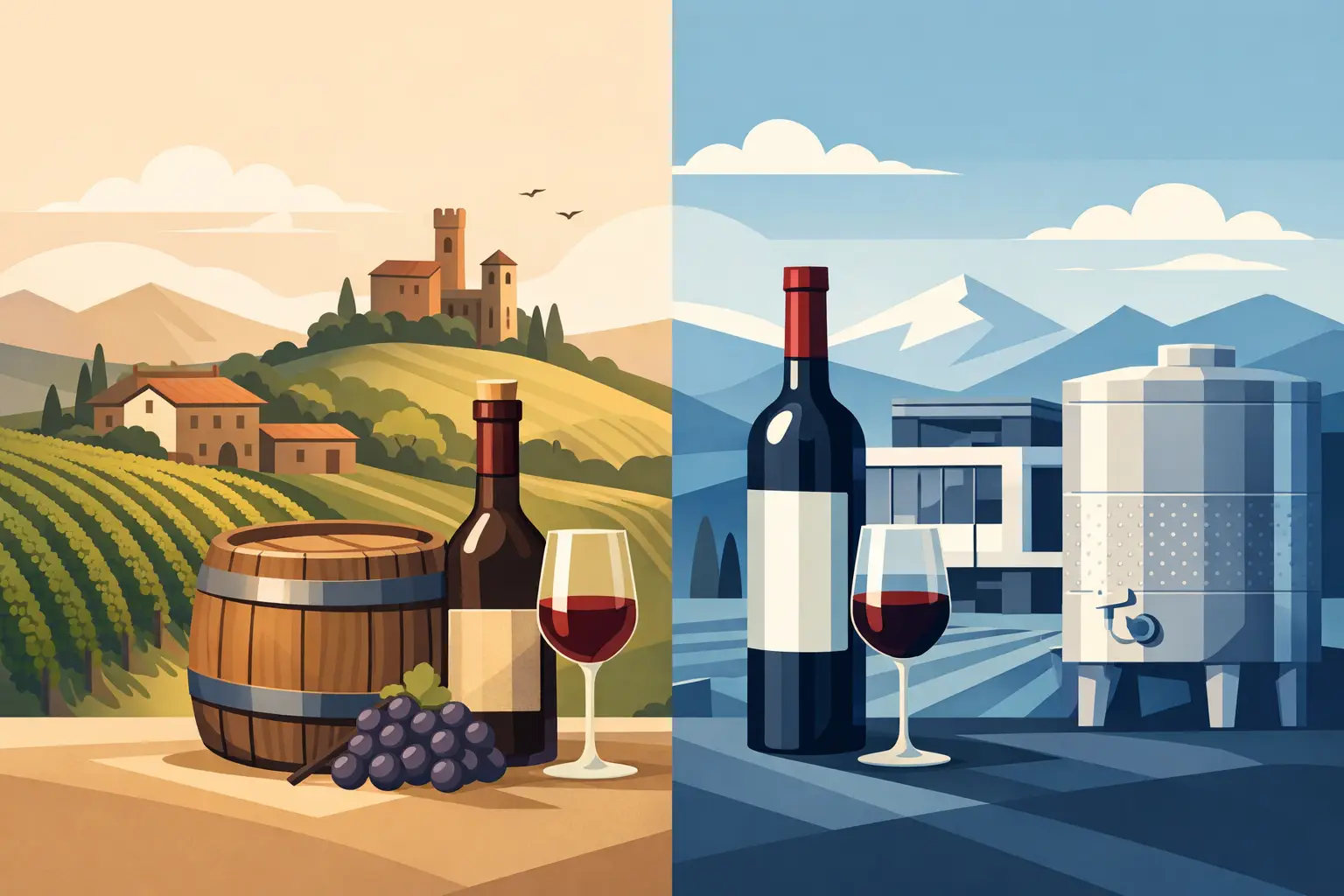
Barolo has never been a single style. Even within one village, Nebbiolo changes with altitude, exposition, soil and season. Yet the conversation around traditional vs modern Barolo remains useful because it reveals two influential approaches to interpreting the same noble grape – and two distinct ideas of how time should shape a wine.
For the collector, the distinction is not a matter of allegiance. It is a way to understand what is in the glass, what may be expected in the cellar, and how a producer chooses to let a vineyard speak.
Traditional vs modern Barolo in the cellar
The historic Barolo method developed when long ageing was not a stylistic statement but a practical necessity. Nebbiolo is naturally rich in tannin and acidity. Extended contact between the fermenting must and the grape skins helped build structure, while long maturation in large wooden casks softened the wine slowly without imposing a marked oak character.
Traditional producers commonly favour long macerations, sometimes lasting several weeks. Fermentation may proceed at relatively moderate temperatures, allowing tannins, colour, fragrance and savoury complexity to emerge gradually. The resulting young wines can appear austere: firm, scented with rose, dried herbs, tar, cherry and forest floor, and often reluctant to reveal their full dimension early.
Ageing generally takes place in large, neutral Slavonian oak casks, known as botti. Because the wood-to-wine ratio is low and the casks have often been used for many years, the oak does not seek to add vanilla, toast or sweet spice. Its role is quieter. It permits a measured exchange with oxygen and gives the wine time to settle into harmony.
The modern movement, which gained force from the 1980s onwards, asked whether Nebbiolo could be made more approachable without surrendering its identity. Shorter macerations, more closely managed fermentation temperatures and, in some cases, ageing in smaller French oak barrels became part of the answer.
A modern-styled Barolo may show deeper colour, softer-feeling tannins in youth and a more immediate expression of ripe fruit. Newer barriques can introduce notes of cedar, cocoa, toast or sweet spice. For some drinkers, this makes the wine generous and compelling sooner after release. For others, too much cellar influence risks obscuring the fine detail of site and vintage.
Neither method is inherently superior. The meaningful question is whether the choices in the cellar serve the vineyard rather than disguise it.
The divide is less clear than it once was
The famous opposition between traditionalists and modernists can suggest two fixed camps. Barolo today is more thoughtful than that. Many producers work across a spectrum, retaining long maturation in large casks while refining extraction, improving hygiene and monitoring fermentations with greater precision. Others use a small proportion of French oak but avoid new wood, or shorten maceration only in years when skins are especially powerful.
This evolution matters. A long maceration can produce magnificently layered Barolo, but if handled without care it may draw hard, drying tannins. A shorter maceration can preserve perfume and finesse, but if taken too far it may leave a wine without the authority expected of the denomination. Similarly, large casks can respect purity, while small barrels can be used with restraint and intelligence.
The best wines do not announce a school of winemaking before they announce their origin. They carry the scent of Nebbiolo, the tension of their hills and the signature of their growing season. Their technique is felt in texture and balance, not performed as a style.
Maceration changes more than tannin
Maceration is often reduced to a discussion of tannin, but it also shapes aromatic character and the rhythm of a Barolo’s development. Prolonged skin contact can encourage balsamic, earthy and floral layers that unfold slowly over years. Shorter extraction may place red fruit and immediate fragrance at the forefront.
There is no universal ideal duration. A warm, generous harvest may call for a different approach from a cooler year with firmer skins and higher acidity. The sensitivity of the grower remains more important than the number of days written in a cellar notebook.
Oak is a vessel, not a flavour requirement
The contrast between botti and barriques has become shorthand for the entire debate, although it tells only part of the story. Large casks tend to preserve a transparent, savoury profile. Small barrels work more quickly and can lend polish, but their influence depends on age, toast level and length of élevage.
A Barolo should not be judged merely by whether it has seen large or small oak. The more revealing question is whether the wood has become louder than the fruit, tannin and mineral character of the wine. Nebbiolo has a naturally eloquent voice. It does not need to be amplified.
Terroir remains the decisive factor
Barolo is a mosaic of slopes, soils and exposures. The compact marl of one site may give shape and perfume; a sandier parcel may offer earlier charm; a higher, cooler vineyard may preserve cut and tension. These differences are not erased by winemaking, but they can be blurred or clarified by it.
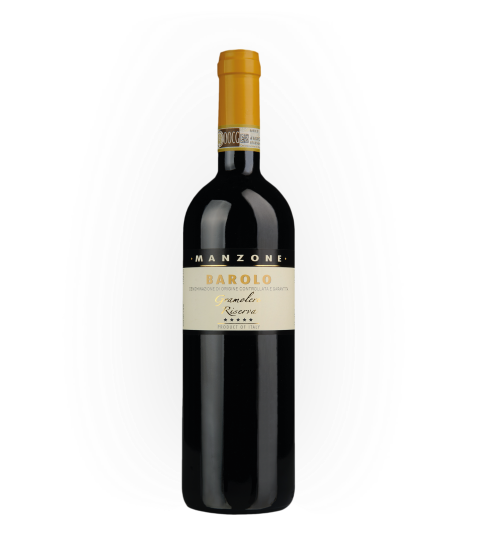
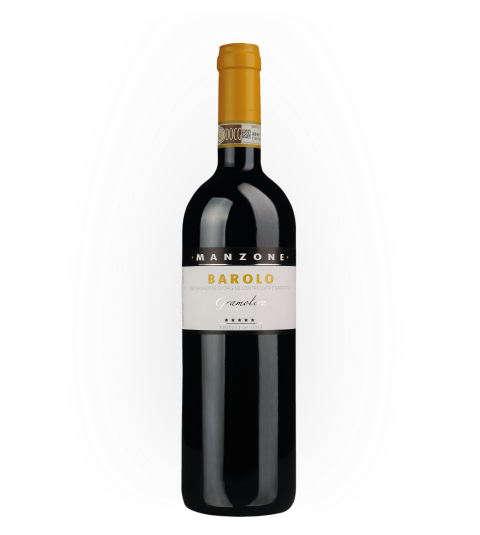
This is why single-vineyard Barolo holds such fascination. A wine from Gramolere in Monforte d’Alba, for example, can show a different architecture from a wine grown in another cru only a short distance away. The distinction becomes clearer when harvesting is precise, yields are measured and cellar work is respectful.
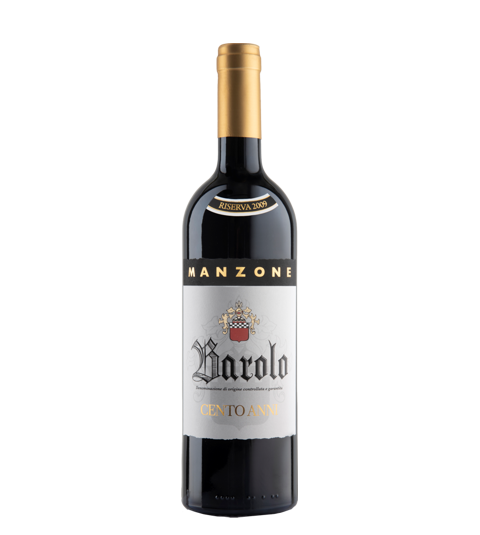
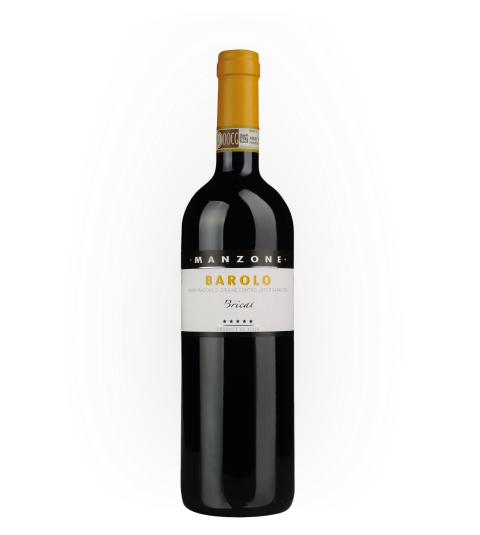
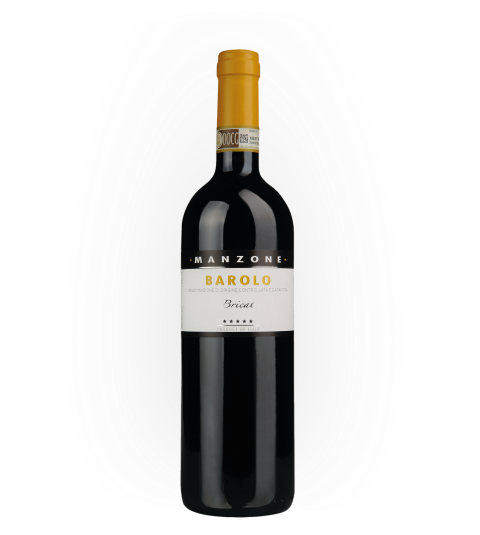
At Manzone Giovanni, the family’s work across historic holdings reflects this conviction: a Barolo should retain the character of its place. The cellar may guide the wine through its long maturation, but it should not substitute its own personality for that of the vineyard.
Vintage also has its voice. In a cooler season, a traditional interpretation may feel particularly stern in youth and demand patience. In a warm vintage, a carefully handled modern approach may bring brightness and freshness rather than excess richness. Generalisations are useful only until the bottle is opened.
What each style offers the drinker
A traditionally made Barolo often rewards the patient drinker. In its early years, the structure can seem formidable, but bottle age brings extraordinary transformation. The wine broadens from red cherry and rose towards truffle, leather, tobacco, dried leaves and sweet earth, while its tannins become more finely woven. These are bottles for a long lunch, a serious table and a cellar built over time.
Modern-styled Barolo can offer a different pleasure. Its fruit may be more open, its palate more supple and its appeal more immediate. This can be especially welcome for those discovering the denomination or choosing a bottle to enjoy within a few years of release. The finest examples still age well, though their evolution may follow a different path.
Food provides another useful perspective. A youthful, traditionally structured Barolo benefits from dishes with depth: braised beef, game, porcini, truffle or aged hard cheese. A more polished, fruit-forward interpretation can be particularly graceful with roast veal, duck or mushroom pasta. In both cases, decanting is not a ritual for its own sake. It is simply a chance to give Nebbiolo air and space.
How to choose without choosing sides
Begin with the producer and vineyard rather than the label of traditional or modern. Seek growers with a clear relationship to their land, a disciplined approach in the cellar and the confidence to allow each vintage its own expression. Ask how the wine was macerated, what vessels were used for ageing and, above all, how it tastes over a meal.
If you are buying for a special occasion soon, look for a Barolo with an already open aromatic profile, generous fruit and refined tannins. If you are laying bottles down, favour balance over sheer concentration. Great Barolo does not need to feel massive when young. It needs freshness, energy and enough structure to carry its perfume through time.
The most rewarding comparison is made at the table. Open two Barolos from thoughtful producers, preferably from the same vintage, pour them slowly and return to each glass as the evening unfolds. The answer will not be found in a category. It will be found in the way each wine remembers its hillside.