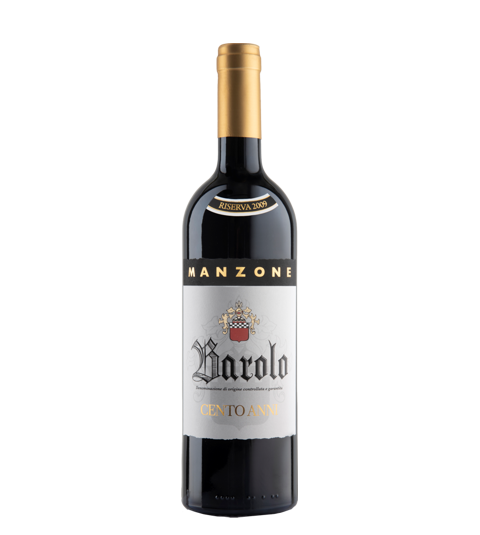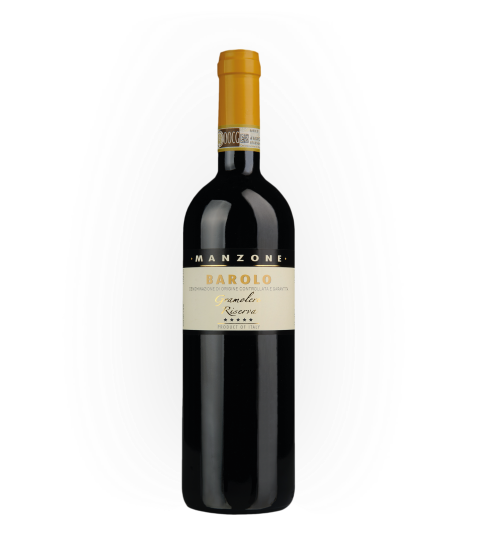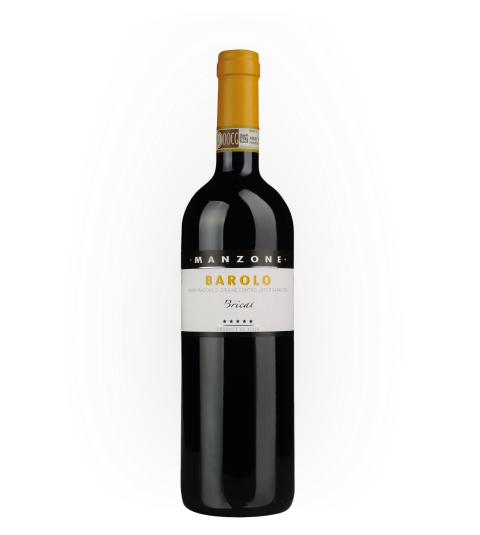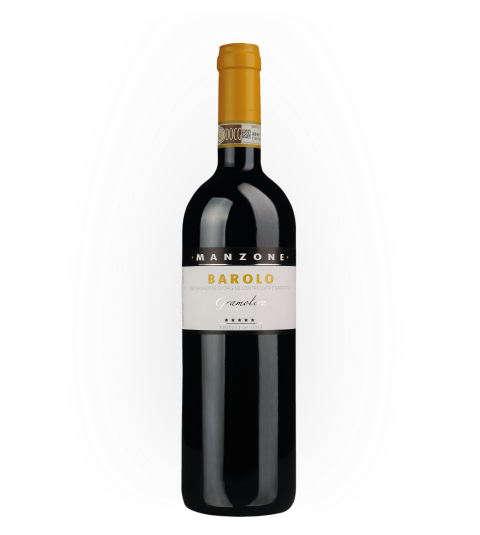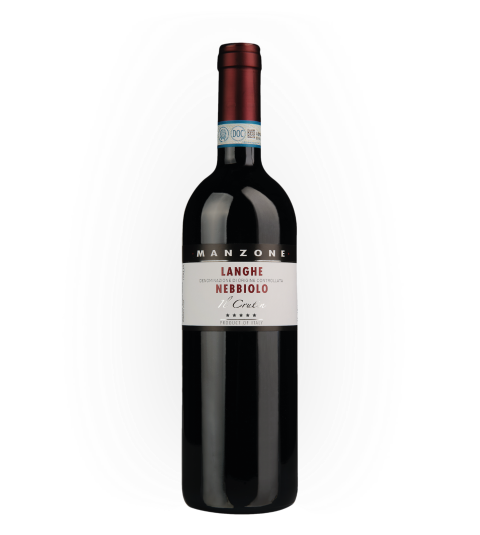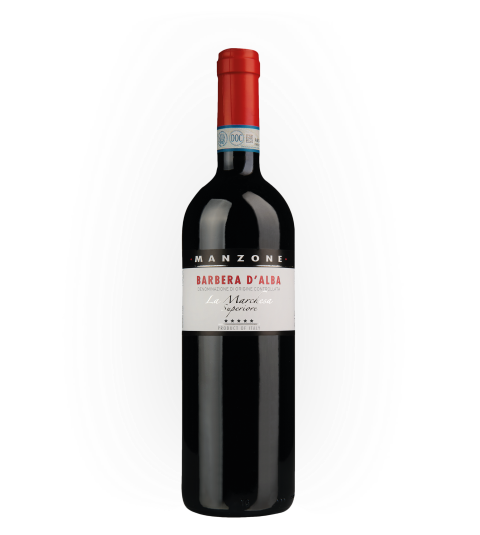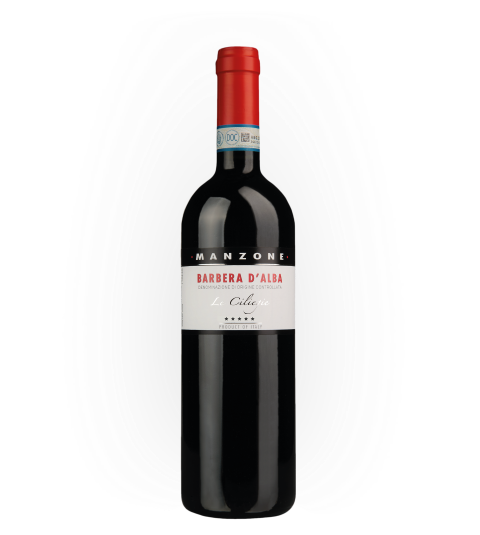
A bottle of Barolo can seem familiar before it is opened: Nebbiolo, pale garnet colour, perfume, structure and the promise of a long life. Yet the glass tells a more particular story. A Barolo from the compact slopes of Serralunga may speak differently from one grown in the open, rolling hills of La Morra; a wine raised in a large cask will not necessarily show the same frame as one matured in smaller oak. This guide to Barolo wine styles begins with that essential truth: Barolo is one denomination, but never one voice.
For collectors and serious drinkers, understanding style is not about assigning a simple score of traditional or modern. It is about recognising the decisions made in vineyard and cellar, and the site that gives those decisions their meaning. The finest examples retain the fragrance, tension and authority of Nebbiolo while allowing their own hillside to remain clear.
A guide to Barolo wine styles begins in the vineyard
Barolo is made exclusively from Nebbiolo, a grape of remarkable transparency. It does not conceal where it was grown. Soil, altitude, exposure and the rhythm of a vintage all appear in the finished wine, often with greater clarity after several years in bottle.
The denomination covers eleven communes, though the most familiar names include Barolo, La Morra, Serralunga d’Alba, Monforte d’Alba and Castiglione Falletto. Broadly speaking, the marl-rich soils found around La Morra and Barolo often give wines with a more open perfume, supple texture and earlier charm. The sandstone and more compact soils of Serralunga and Monforte d’Alba commonly bring firmer tannins, darker mineral notes and a slower, more architectural development.
These are useful reference points, not rules. A south-facing parcel, a cooler site, an old vineyard or a warm vintage can shift the character considerably. This is why the name of a cru matters. It offers a more precise indication of origin than the commune alone.
In Monforte d’Alba, vineyards such as Gramolere and Castelletto can produce Barolo of depth and reserve, often carrying wild herbs, rose, liquorice, cherry and iron-like notes. With time, these wines can become remarkably graceful without losing their structure. The point is not power for its own sake. It is persistence, proportion and a sense of place.
Traditional Barolo: patience, structure and quiet detail
Traditional Barolo is usually associated with extended maceration on the skins and ageing in large Slavonian oak casks, known as botti. These vessels have little interest in flavouring the wine. Their role is to support gradual evolution while preserving Nebbiolo’s natural perfume and tannic shape.
At its best, this approach produces wines that are restrained in youth. They may show dried rose, sour cherry, orange peel, tea leaf, earth and balsamic herbs rather than obvious sweetness or oak spice. The tannins can be firm, especially from structured sites and cooler vintages, but they are meant to soften and lengthen with bottle age.
The reward is complexity. A mature traditional Barolo often develops truffle, tobacco, woodland, leather and dried floral notes, while retaining a line of freshness that makes it feel alive at the table. These are wines for those who value gradual revelation over immediate impact.
Traditional does not mean fixed or resistant to improvement. Careful temperature control, cleaner fruit selection and greater attention in the vineyard have improved standards across the region. The defining principle is simply that the cellar should not overwhelm the vineyard.
Modern Barolo: polish, fragrance and earlier approachability
The modern style emerged more visibly from the 1980s, when some producers adopted shorter fermentations, rotary fermenters and maturation in smaller French oak barrels. The aim was often to soften tannins, deepen colour and make Barolo more accessible earlier in its life.
A modern-leaning Barolo can show riper fruit, a silkier mid-palate and notes of sweet spice, cocoa or toast. In some wines, new oak creates a more immediately rounded impression. This can be appealing, particularly for drinkers opening bottles within five to eight years of the vintage.
There is, however, a trade-off. If extraction is too forceful or oak too prominent, Nebbiolo’s delicate floral character and the identity of a cru can become less distinct. Time may integrate those elements, but not always. For this reason, the most convincing contemporary Barolo is not defined by the size of its barrel. It is defined by balance.
Many estates now work in a thoughtful middle ground. They use modern precision where it protects purity, but retain longer élevage and larger wood where it serves the wine. Labels such as traditional and modern remain useful shorthand, yet they should never replace tasting.
The contemporary classic: a cellar in service of the land
The most compelling Barolo today often sits beyond the old debate. It may be vinified with careful temperature control, selected parcel by parcel, and aged in a considered combination of vessels. But its perfume remains unmistakably Nebbiolo, its tannins are present rather than disguised, and its finish carries the particular character of its origin.
This is a style guided by restraint. In the cellar, non-intervention is not neglect. It demands exacting work in the vineyard, healthy fruit at harvest and the confidence to avoid correcting what the land has already expressed well.
For a family estate with historic holdings, this approach has another value: continuity. The wine can reflect a single vintage without losing its connection to the vineyard’s long memory. It is possible to recognise both the season and the place.
Cru Barolo and the character of place
A Barolo labelled with a named cru or MGA, short for Menzione Geografica Aggiuntiva, comes from a defined vineyard area. For collectors, these wines offer one of the clearest ways to explore variation within the denomination.
Some crus are known for perfume and finesse, others for structure and longevity. Gramolere, in Monforte d’Alba, is often admired for its depth, savoury intensity and serious ageing potential. Castelletto can bring a compelling combination of dark fruit, spice and firm, finely grained tannin. Within any cru, however, slope, vine age and farming remain decisive.
A village Barolo may blend fruit from several sites and can offer a broader portrait of a producer’s style. A cru Barolo tends to be more focused, more individual and sometimes more demanding in youth. Neither is inherently superior. The choice depends on whether you seek early generosity, a precise expression of one site, or the satisfaction of following a wine over decades.
How to choose a Barolo for drinking or cellaring
The first question is not which style is best. It is when you want to drink it. If you are opening a young bottle, look for a warmer vintage, a more fragrant commune or a producer known for measured extraction. Give the wine air in a decanter, but do not assume that several hours will transform an undeveloped Barolo into a mature one.
For the cellar, structure is an advantage. A serious Barolo from Monforte or Serralunga, particularly from a well-regarded cru, may need ten years to begin showing its full range. In strong vintages, it can evolve beautifully for twenty years or more when stored well.
Vintage matters, but it should be read with nuance. Warmer years can offer earlier fruit and broader texture; cooler years may deliver more aromatic lift, firmer tannins and a longer trajectory. A skilled grower can make compelling wine in both conditions. The real question is whether the vintage suits your preferred drinking window.
At table, Barolo is most at home with depth rather than sweetness. It has an affinity with slow-cooked beef, game, mushroom risotto, truffle dishes and aged hard cheeses. Serve it around 16-18°C, not at room temperature in a warm house, and use a generous glass that allows the perfume to rise.
Read the bottle, then trust the glass
The language of Barolo can appear formal: commune names, crus, ageing regimes, vintages and producer histories. Yet the pleasure is direct. A fine Barolo should leave an impression of fragrance held within structure, of strength carried lightly, and of a landscape made present at the table.
Begin with the site. Consider the vintage and the intended moment of drinking. Then allow the wine enough time to speak. The greatest bottles do not merely reward patience; they make patience feel worthwhile.