
A Barolo may receive an impressive score, yet a number alone cannot explain why collectors return to the same producer decade after decade. When considering wine critics’ top Barolo producers, the most meaningful judgement lies in a longer view: the origin of the grapes, the integrity of the work in the vineyard, the character of the vintage and the wine’s ability to speak clearly of its hillside.
In Barolo, reputation is earned slowly. The greatest estates do not chase a single dramatic release. They build trust through successive vintages, through wines that carry their place with precision, and through a style that remains recognisable without becoming repetitive.
What critics look for in top Barolo producers
The most respected critics taste widely across the Langhe. Their assessments are informed by comparison: not only between producers, but between crus, vintages and approaches in the cellar. A high score may draw attention, but the producers who command lasting regard tend to show a more complete set of virtues.
First comes vineyard provenance. Barolo is not a uniform landscape. Its villages, slopes and soils give Nebbiolo distinctly different voices. Monforte d’Alba often brings depth, structure and a firmer mineral line. Castiglione Falletto can offer balance and perfume. Serralunga d’Alba is known for its stern architecture and longevity, while La Morra frequently expresses fragrance, finesse and lifted tannin. These are broad truths rather than fixed rules, but they matter when reading a critic’s note.
The finest producers make those distinctions visible in the glass. They do not flatten their vineyards into a single house style. A wine from a recognised cru should retain its own cadence: its aromatic profile, its texture and the particular way it develops with time.
Critics also respond to balance. Barolo needs tannin, acidity and reserve. Without them, it cannot fulfil its promise at the table or in the cellar. Yet structure alone is not greatness. The wine must also have perfume, energy and proportion. A powerful Barolo can be compelling; an overworked or excessively extracted one can lose the grace that makes Nebbiolo so singular.
Scores are useful, but context is more valuable
A score is a useful point of reference, particularly for buyers choosing between unfamiliar labels or deciding which vintages to cellar. It provides an experienced critic’s immediate judgement of quality and potential. But it is not a substitute for understanding the wine.
The difference between a highly rated Barolo and the right Barolo for your cellar may be considerable. One collector may seek the austere, slow-building authority of Serralunga. Another may prefer the floral elegance of La Morra or the dark, structured character of Monforte. The vintage matters too. A warmer year may offer earlier generosity, while a cooler year can bring tension, fragrance and a longer horizon.
Read the accompanying tasting note, not only the headline number. Terms such as “transparent”, “classic”, “precise”, “mineral” and “long-lived” often reveal more about a critic’s admiration than an isolated score. Equally, notes on new oak, extraction or ripeness can help a buyer understand whether a wine suits their own palate.
For serious Barolo drinkers, consistency is especially telling. Look across several vintages and several wines in an estate’s range. Does the producer perform well in both celebrated and challenging years? Is there a clear relationship between the entry Barolo and the estate’s cru bottlings? Do the wines gain complexity after opening, rather than simply becoming softer? These are the signs of a house with genuine foundations.
Vineyard character cannot be manufactured
Nebbiolo is unusually responsive to site. A few metres of elevation, an exposure to afternoon sun or a change in soil composition can alter the finished wine. This is why named vineyards carry such weight in Barolo, and why critics give close attention to producers with historic holdings in distinguished sites.
The best estates begin with cultivation. Careful canopy management, sensible yields and the protection of healthy soils are not fashionable gestures. They are the basis of fruit with balance and detail. In a region where weather can test even experienced growers, judgement in the vineyard determines how much intervention will later be required in the cellar.
A restrained cellar approach can preserve this identity. There is no single orthodox method for making great Barolo. Fermentation choices, ageing vessels and time in wood all vary among respected producers. What matters is whether these decisions serve the vineyard rather than obscure it. Oak should frame the wine, not perfume it into sameness. Extraction should give shape, not hardness. Maturation should allow tannins to settle while retaining the energy of Nebbiolo.
This is the distinction critics often recognise in the most convincing bottles: the wine feels composed rather than constructed.
Why Monforte d’Alba deserves close attention
For collectors drawn to Barolo with depth and staying power, Monforte d’Alba is a village to follow closely. Its varied elevations and soils produce wines of serious structure, often with dark fruit, balsamic notes, savoury complexity and a distinctive mineral firmness. In youth, these wines can appear reserved. With patience, they reveal remarkable breadth.
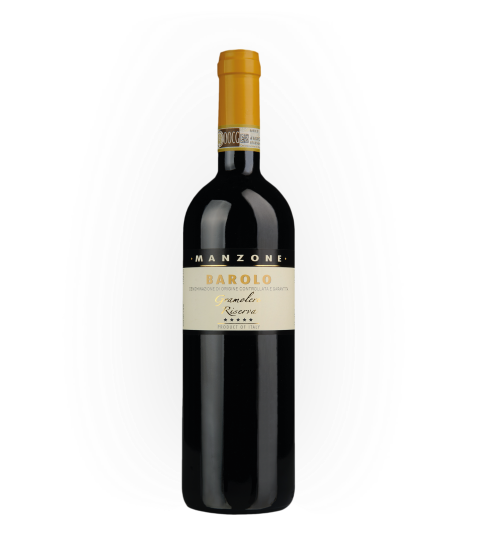
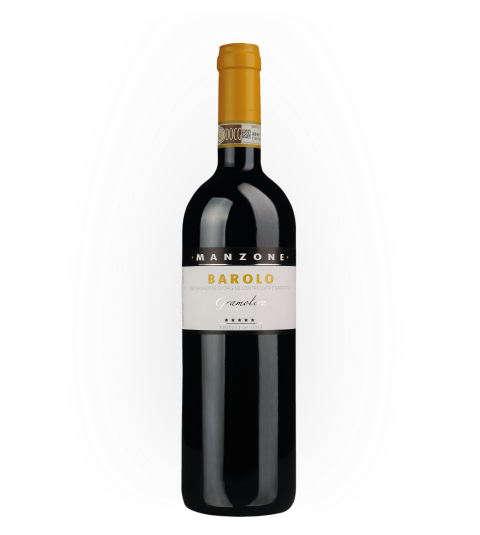
The village is not a guarantee of one flavour or one style. Individual crus and parcels remain decisive. Gramolere, for example, is widely associated with fragrant intensity and firm tannic shape, while Castelletto is capable of combining richness with a refined savoury edge. The value of a producer lies in understanding such differences and allowing them to remain present from vineyard to bottle.
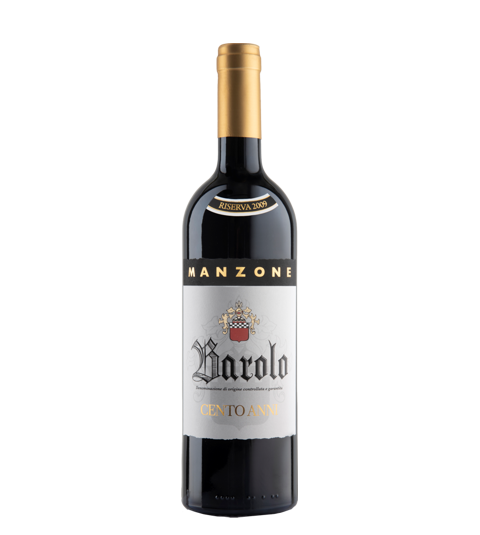
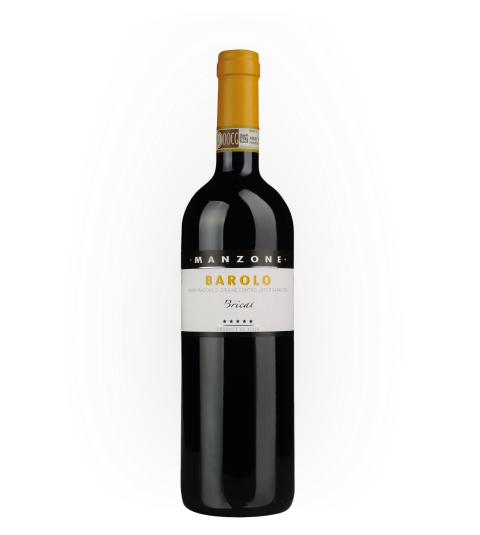
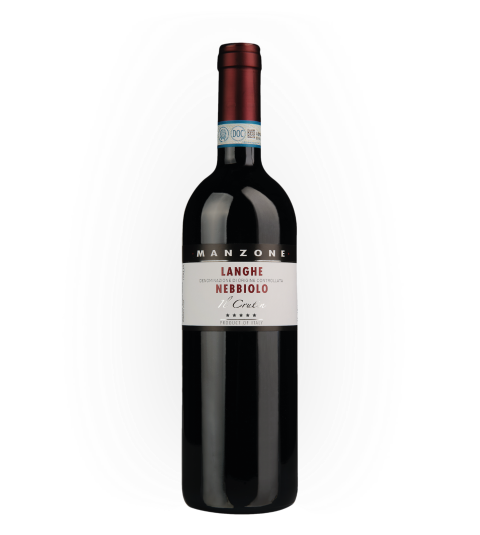
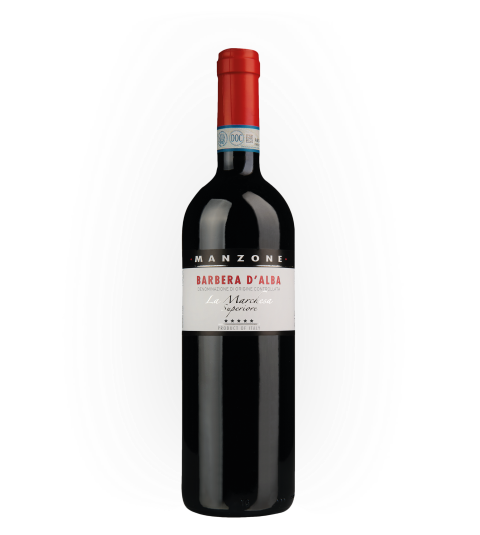
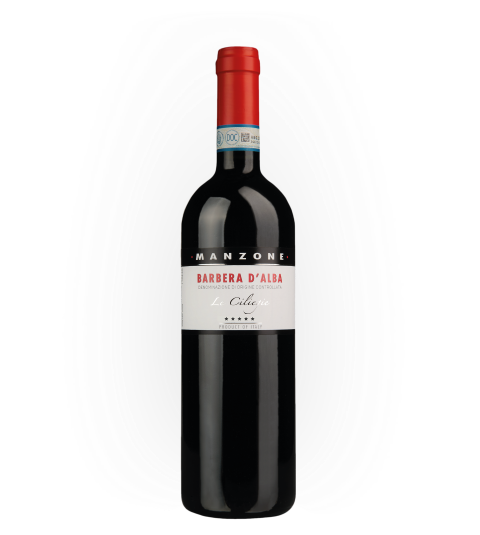
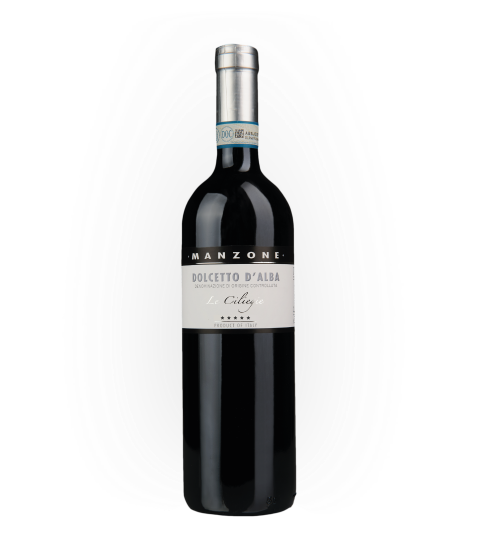
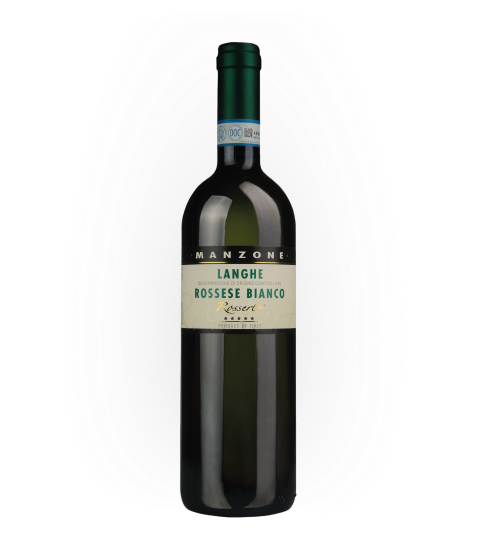
At Manzone Giovanni, five generations of family stewardship inform this perspective. Wines from holdings including Gramolere, Castelletto, Il Crutin and La Marchesa are made with respect for the distinct character of each site. In the cellar, the philosophy is one of non-intervention: to guide the wine carefully, without removing its personality.
For a critic, this kind of clarity is compelling. For a drinker, it offers something more lasting: a bottle that carries a real landscape and a family’s accumulated knowledge of it.
Building a Barolo cellar with confidence
Buying from acclaimed producers is sensible, but buying only the most famous labels can narrow the experience. Barolo rewards curiosity. A thoughtful cellar may include wines from different villages, a mixture of more immediate and more reserved vintages, and producers whose approach aligns with your own taste.
If you are beginning, choose a producer whose style you can revisit over time. Open one bottle after release, another after five to seven years, and reserve a third for a longer wait. This is the most reliable way to understand whether the wine’s promise is being fulfilled. Barolo changes profoundly with age, moving from rose, cherry and orange peel towards truffle, tobacco, dried herbs and woodland notes.
Decanting should be approached with restraint. A young, tightly wound Barolo may benefit from air, but a mature bottle can lose its delicate perfume if handled too aggressively. Serve it cool rather than warm, ideally around 16 to 18°C, in a generous glass. The wine should have room to unfold.
Critics can identify excellence, and their work gives collectors a valuable map. The greater pleasure comes from following that map into the hills themselves: learning the names of the vineyards, recognising the signature of a village and finding the producers whose wines continue to speak long after the score has been forgotten.