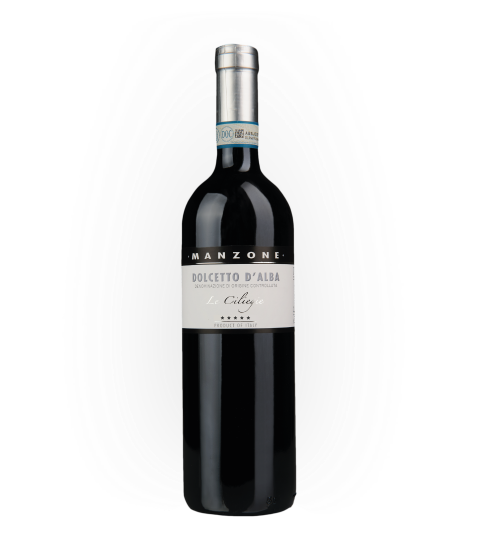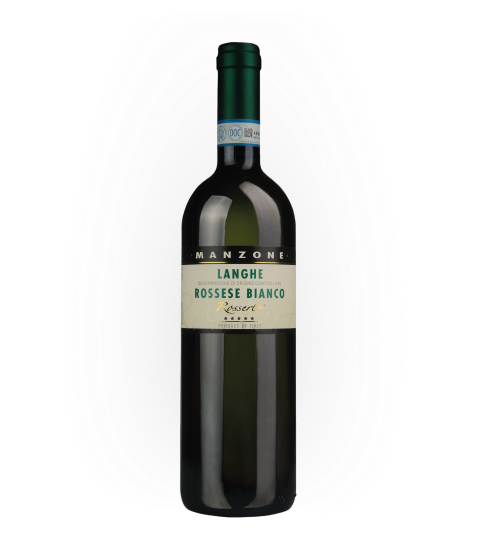


A fine bottle of Barolo begins long before the cork is drawn. It begins with a hillside, a family’s decisions across generations, and the patience to allow Nebbiolo to speak in its own voice. This Barolo producer selection guide is intended for buyers who want more than a famous name on a label. It is for those seeking provenance, personality and the quiet assurance that a wine will reward both the table and the cellar.
Barolo is often discussed as though it were a single style. It is not. Within its compact denomination, altitude, exposure, soil and village identity create striking differences. The producer’s role is to reveal these distinctions faithfully, rather than smooth them away. Choosing well therefore means looking beyond reputation alone and understanding whose hands, vineyards and judgement stand behind the bottle.
Barolo producer selection guide: begin in the vineyard
The most meaningful question is simple: where does the producer grow their Nebbiolo? Barolo’s finest wines are rooted in defined places, and serious estates are usually able to name their vineyards, their crus and often the individual parcels that shape each cuvée.
Village is a useful first reference point. Monforte d’Alba often gives structure, depth and a firm mineral line. Serralunga d’Alba is known for power and longevity. La Morra can show fragrance and a more immediately graceful profile, while Barolo village, Castiglione Falletto, Novello and Verduno bring their own distinctive balances of perfume, tannin and freshness. These are broad tendencies, not rules. A grower’s site and approach matter just as much.
Look for producers with an enduring relationship to their land. Long-held family vineyards offer more than a compelling history. They represent accumulated knowledge: which rows retain freshness in warm years, which plots need patience at harvest, and how each site behaves as seasons change. That intimacy is difficult to replicate through purchased fruit alone.
Named crus deserve attention, but they should not be treated as automatic guarantees. A renowned vineyard can produce an extraordinary wine in the hands of a conscientious estate, yet the same name may mean little if farming and selection are careless. The cru tells you where the grapes were grown. The producer tells you whether that potential was honoured.
Read the producer’s philosophy, not only the score
Critical recognition can be a valuable signpost, particularly when it is consistent across vintages and publications. It suggests that a producer has earned the attention of experienced palates. Yet a score is best used to narrow a search, not to replace judgement.
A more revealing measure is stylistic coherence. Does the estate make wines that clearly belong to Barolo, to their village and to their vineyards? Or do the wines seem shaped primarily by a recognisable cellar signature? Neither approach is inherently wrong, and preferences differ. Some collectors favour a more polished, oak-influenced style. Others seek transparency, where floral notes, red fruit, earth and savoury complexity emerge without cosmetic excess.
For wines intended to age, restraint in the cellar can be especially meaningful. Nebbiolo has its own architecture: perfume, acidity and tannin. It does not need to be made broader, sweeter or darker to be serious. A non-intervention philosophy, when supported by precise work in the vineyard, allows the vintage and the site to remain present in the glass.
Ask how the producer approaches fermentation, maturation and bottling, but avoid treating one technical choice as a verdict. Large casks, smaller barrels, concrete and steel can all be used thoughtfully. The essential issue is proportion. Wood should frame the wine, not obscure its origin. Extraction should give shape, not hardness. Time in the cellar should preserve energy as well as build complexity.
Family continuity has practical value
Heritage is often used loosely in wine. In Barolo, it can have real practical meaning when it reflects continuous stewardship of vineyards and knowledge passed from one generation to the next. Family ownership may allow decisions to be made for the long term: replanting with care, preserving older vines, reducing yields when necessary and holding wine back until it is ready.
This does not mean that every established family estate is automatically the right choice, nor that a newer producer cannot make exceptional Barolo. It means that continuity is worth investigating. The best producers combine inherited understanding with the confidence to refine their work when the land and climate require it.
Match the Barolo to your cellar and table
The right producer also depends on why you are buying. A collector building a ten- or twenty-year cellar should prioritise balance over immediate charm. The most age-worthy Barolo is not simply the most tannic. It has the concentration, acidity and aromatic reserve to develop into something more complete.
For drinking over the next three to six years, seek a producer whose wines retain their detail in youth, or consider a mature release from a sound source. Barolo can be compelling when young, particularly alongside food, but it should not be rushed merely because a bottle has been opened. A generous decant and a large glass can reveal its finer contours.
Food offers another useful lens. The stern, savoury character of a structured Monforte Barolo can be magnificent with braised beef, game, truffle dishes or aged hard cheese. More perfumed expressions may suit roast veal, mushroom risotto or simply a long lunch where the wine is allowed to change slowly. The goal is not to find an easy red, but a wine with presence and poise.
Vintage should guide, rather than intimidate. Cooler years may favour perfume, tension and classical restraint. Warmer years can bring generosity and early appeal, while the strongest estates preserve freshness even when the season is generous. If you are choosing between vintages, compare the producer’s track record rather than relying on a broad regional verdict. Great sites and careful growers often make the differences between years more illuminating, not less rewarding.
Questions worth asking before you buy
A trustworthy merchant, estate or importer should be able to answer a few clear questions. Which village and vineyard does this Barolo come from? Is it estate-grown fruit? How long has the producer worked this land? What is the intended drinking window? How was the bottle stored before sale?
For older bottles, provenance becomes decisive. A celebrated vintage cannot compensate for poor storage. Seek clear information on source, temperature conditions and release history. For younger wines, consider buying more than one bottle. One can be opened after several years, the rest left to evolve. Barolo is among the great arguments for patience.
Seek character over collectability alone
The rarest label is not always the most satisfying bottle. Allocation, scarcity and auction prices can signal demand, but they can also distract from what matters: whether the wine has a genuine relationship with its place. Collectability should follow authenticity, not substitute for it.
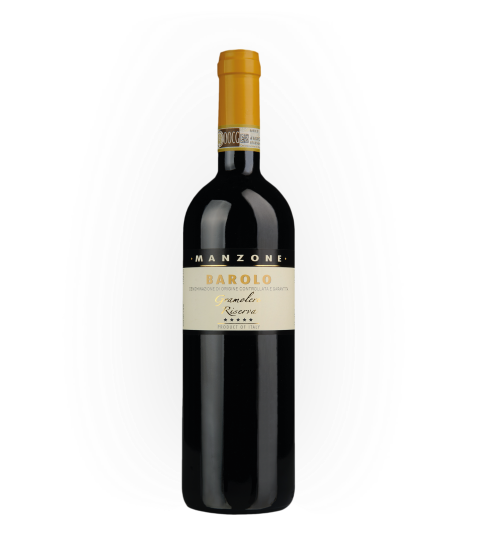
A producer worth following will show consistency without sameness. Across their range, there may be a recognisable clarity of fruit, structure and freshness. Yet Gramolere should not taste like Castelletto, and a wine from one vintage should not be forced to resemble the next. Variation is not a flaw when it is the honest expression of vineyard and season.
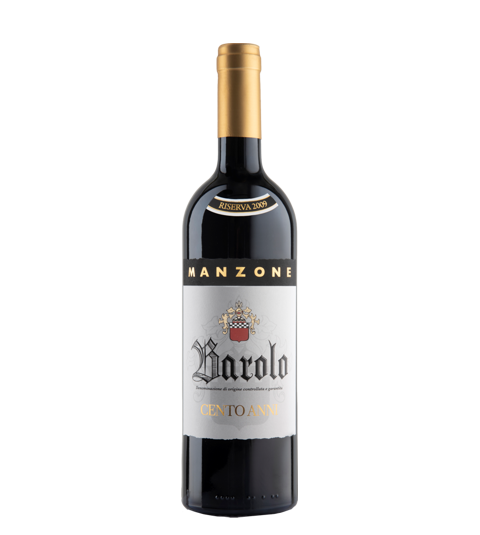
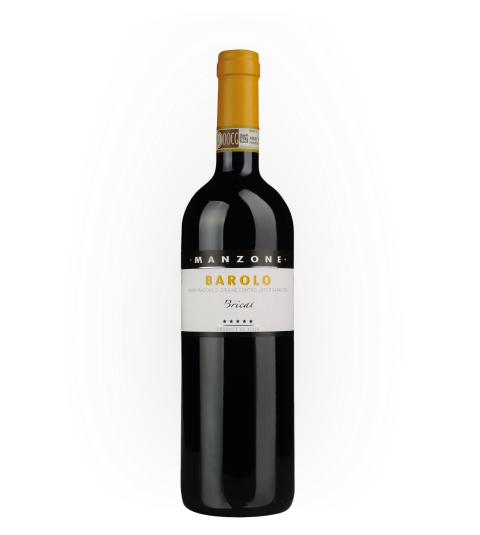
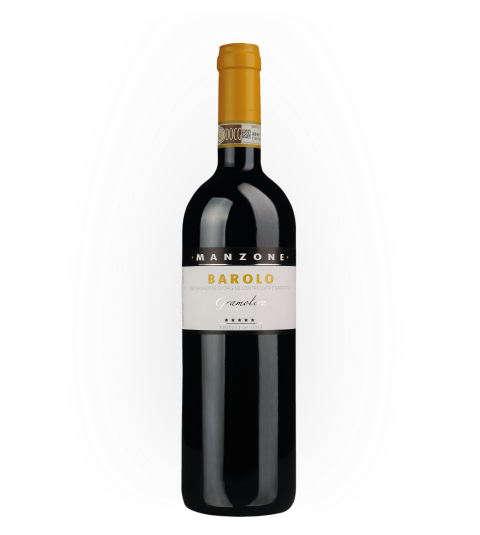
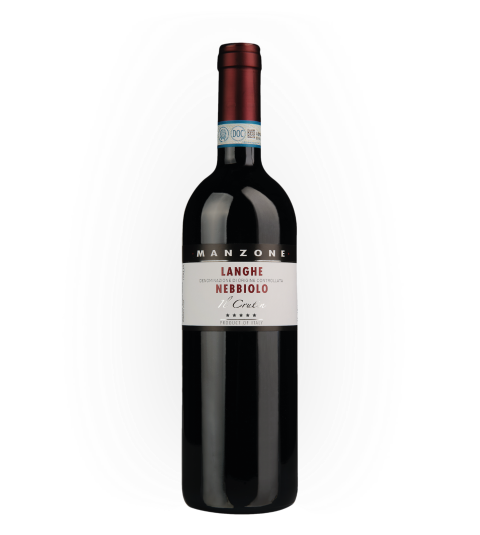
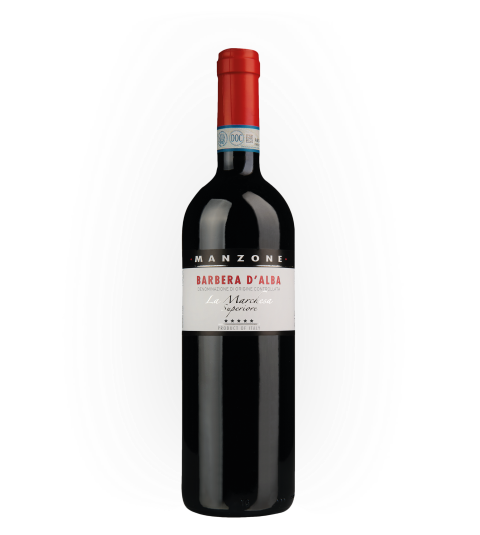
At Manzone Giovanni, our work in Monforte d’Alba is guided by this belief. Historic family holdings, including Gramolere, Castelletto, Il Crutin and La Marchesa, are cultivated with respect for their individual character. In the cellar, the philosophy is one of non-intervention: to accompany the wine carefully, and allow the land to remain recognisable.
When selecting a Barolo producer, choose the estate whose wines make you want to know the hill behind them. The finest bottles offer more than prestige. They carry a precise sense of origin, and with time, they make that origin feel increasingly alive.