

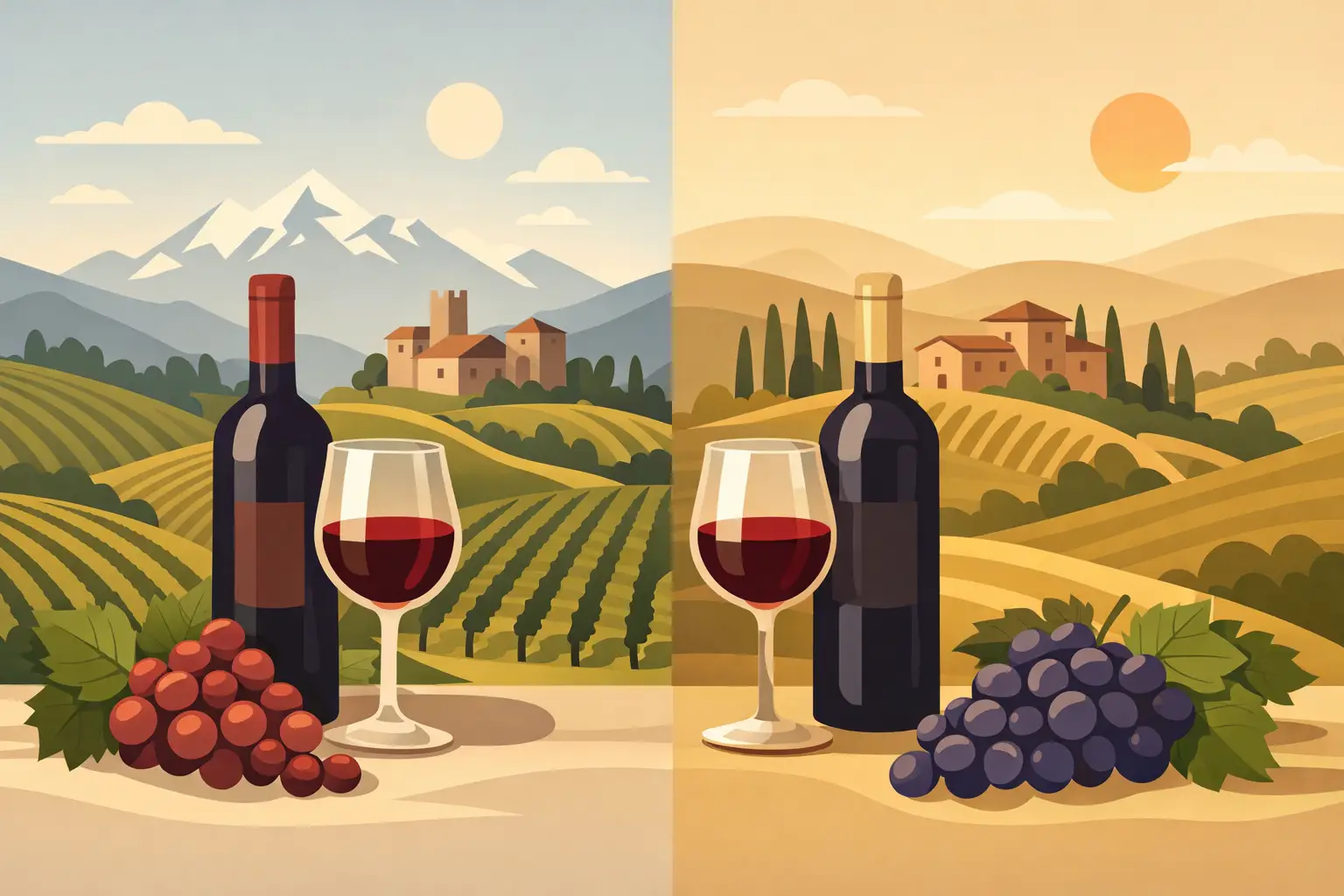
A bottle of Barolo and a bottle of Brunello may occupy the same shelf of great Italian wine, yet they speak with distinctly different voices. The Barolo vs Brunello differences begin with their grapes and landscapes, then become clearer in the glass: one is scented, structured and mineral; the other is expansive, savoury and generous in fruit.
Both wines are among Italy’s most revered DOCGs. Both reward patience. Both can mature beautifully for decades when the vintage, producer and cellar conditions are right. But they are not interchangeable. Choosing between them is less about deciding which is better, and more about understanding which expression of place suits the moment.
Barolo vs Brunello differences: origin and grape
Barolo comes from the Langhe hills of Piedmont, a landscape of steep vineyard slopes, foggy autumn mornings and ancient soils. It is made exclusively from Nebbiolo, a grape of rare aromatic distinction and formidable tannic structure. Within the Barolo denomination, vineyard exposure, altitude and soil can shape the wine with remarkable precision.
Brunello di Montalcino is made in Tuscany, south of Siena, from Sangiovese grown within the commune of Montalcino. The local Brunello selection of Sangiovese has long been valued for its small berries, concentration and ability to withstand long ageing. Montalcino’s warmer, drier setting gives the grape a different register from Nebbiolo: darker cherry fruit, Mediterranean herbs, earth and often a broader, more immediately enveloping palate.
The distinction is therefore fundamental. Barolo is Nebbiolo from a mosaic of Langhe hills. Brunello is Sangiovese from one great Tuscan township. Each denomination is exacting, but each asks a different grape to articulate a different climate and soil.
The character of Nebbiolo in Barolo
Nebbiolo can appear pale in colour beside many famous red grapes, but its delicacy of hue should never be mistaken for lightness. Barolo is often fragrant with rose, violet, red cherry, wild strawberry, liquorice and tar. With age, truffle, dried leaves, tobacco and balsamic notes emerge.
Its defining feature is tension. Acidity gives lift, while tannins provide a firm, often chalky framework. In youth, a serious Barolo can seem reserved or even austere, particularly in a cool vintage or from a structured site. Time allows the perfume to broaden and the tannins to settle into the wine’s fabric.
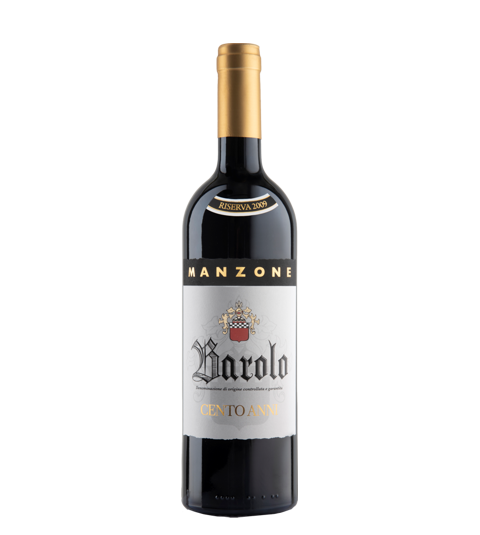
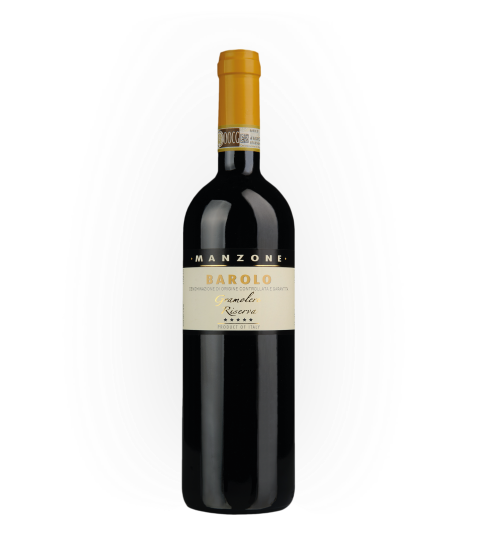
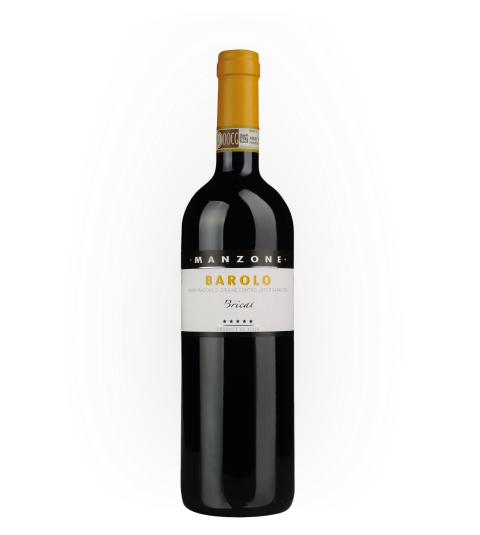
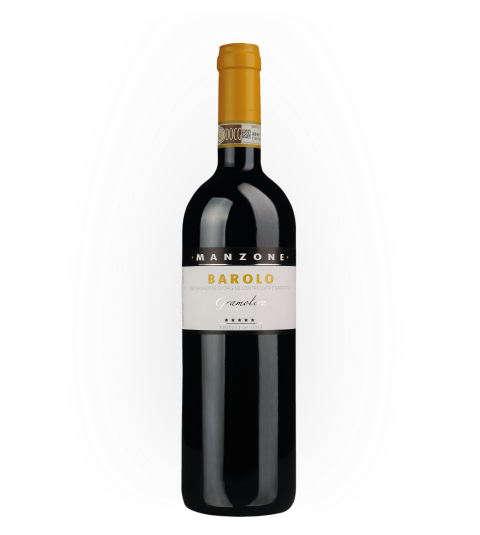
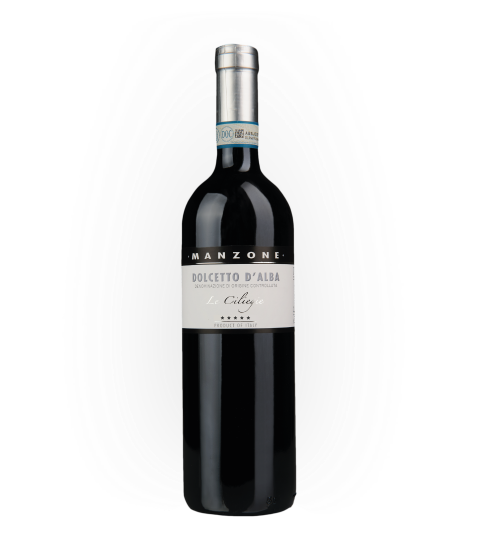
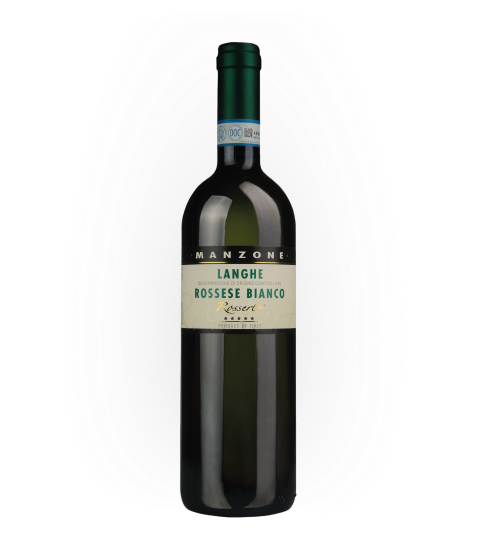
At Manzone Giovanni, in Monforte d’Alba, this dialogue between grape and site is central. Crus such as Gramolere and Castelletto demonstrate why Barolo is not one fixed style. A wine’s personality is shaped by the individual hill, its soils, exposure and the decisions made in the vineyard long before the cellar.
The character of Sangiovese in Brunello
Brunello may also carry bright acidity and firm tannins, but its structure usually feels different. Where Barolo can be vertical and finely etched, Brunello often has a more rounded centre of palate. Sour cherry, black cherry, plum skin, dried flowers, cedar, leather, sweet tobacco and rosemary are common reference points.
Montalcino is not uniform. Northern areas can be cooler and more elevated, while southern sectors tend to be warmer. Galestro, clay, limestone, schist and sandy soils each leave their mark. The best Brunellos retain freshness despite the warmth, combining fruit depth with savoury detail rather than relying on ripeness alone.
How climate and soil shape the wines
Piedmont and Tuscany create very different growing conditions. The Langhe has a continental climate, with cold winters, spring frost risk and autumn fog that gives Nebbiolo its name. Ripening can be gradual, preserving acidity and building the grape’s complex tannins. Barolo soils are principally derived from ancient marine sediments, with mixtures of calcareous marl, clay and sandstone across the villages.
Montalcino has a more Mediterranean influence. It is generally sunnier and drier, with cooling breezes and significant variation in elevation. Sangiovese can ripen more fully here, producing wines with a sunlit generosity while retaining the freshness that makes fine Brunello age-worthy.
These conditions explain why Barolo frequently shows red-fruited perfume, mineral restraint and incisive grip, while Brunello often gives more savoury cherry richness and a warmer impression. They are tendencies, not rules. A powerful Barolo from Monforte d’Alba and a high-altitude Brunello from northern Montalcino may narrow the stylistic distance. Producer philosophy and vintage always matter.
Ageing rules and readiness to drink
The legal ageing requirements reveal the ambitions of both denominations. Barolo must age for at least 38 months from 1 November of the harvest year, including a minimum of 18 months in wood. Barolo Riserva requires at least 62 months of ageing, again with at least 18 months in wood.
Brunello di Montalcino is held back longer. It must age for five years from 1 January following the harvest, including at least two years in oak and four months in bottle. Riserva requires six years. This additional mandatory ageing means Brunello is released later, though release date alone does not determine whether a wine is ready to drink.
The choice of large cask, smaller barrel or a combination can influence texture and aroma in both regions. However, oak should serve the wine rather than obscure it. In a great traditional wine, fruit, tannin, acidity and the character of the vineyard remain the lasting impression.
A young Barolo often benefits from more cellar time than a young Brunello, especially in classic vintages. Yet this is not absolute. Some Brunellos need a decade to show their full complexity, while a beautifully balanced Barolo can be deeply satisfying earlier with the right food and a generous decant. Bottle age, storage and the producer’s style are more useful guides than broad assumptions.
Food pairing: structure meets the table
Barolo’s fragrance and tannin make it a natural companion to dishes with depth rather than sweetness. Tajarin with a meat ragù, braised beef, venison, porcini mushrooms and aged hard cheeses are all at home beside it. The wine’s acidity cuts through richness, while its earthy notes find an echo in game and truffle.
Brunello is equally suited to the table, but often feels especially harmonious with Tuscan cooking: bistecca alla fiorentina, wild boar ragù, roast lamb, duck or mature Pecorino. Its cherry fruit and savoury warmth can meet roasted flavours with ease.
For either wine, avoid overly hot chilli and pronounced sweetness. The purpose is not to make the wine compete with the dish, but to allow its detail to remain present after every mouthful.
Which should you choose?
Choose Barolo when you are drawn to perfume, detail and the slow revelation of a structured wine. It is compelling for the collector who values vineyard distinction and for the drinker who finds pleasure in watching a bottle evolve over an evening and across many years.
Choose Brunello when you seek Sangiovese at its most complete and age-worthy: generous without being simple, savoury without losing fruit. It is often the natural choice for a roast, a celebratory Tuscan meal or a cellar that needs a different expression of Italian nobility.
There is no need to choose a permanent side. Open Barolo when you want the precision of the Langhe and the voice of Nebbiolo. Open Brunello when Montalcino’s warmth, poise and enduring Sangiovese character call you to the table.