

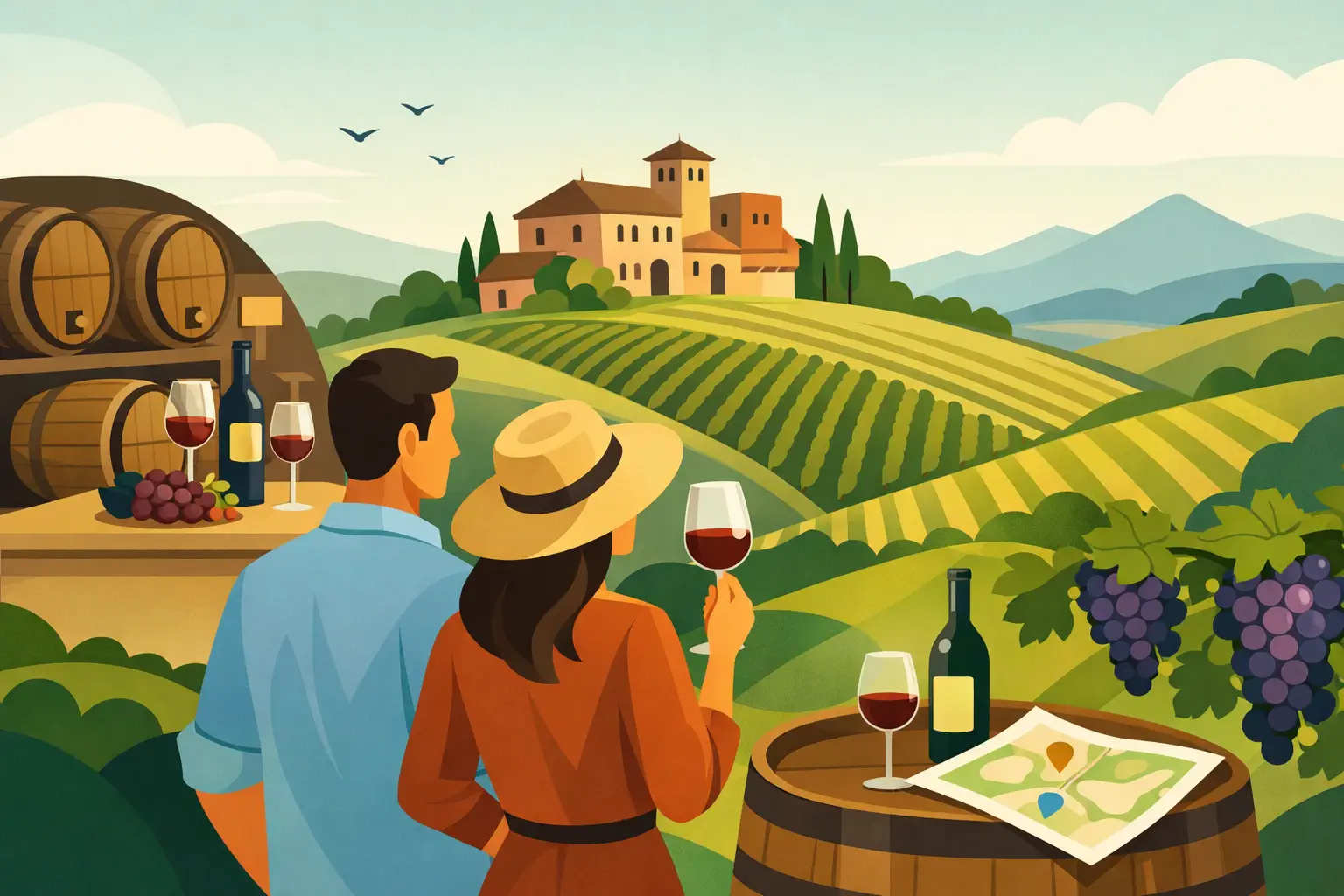
The road into Monforte d’Alba rises through ordered rows of vines, woodland and small hamlets set on ridges. This is not a landscape made for hurried appointments. Knowing how to visit a Barolo winery means allowing time for the hills themselves: the changing exposures, the pale soils, and the vineyards whose names appear on the finest labels.
A visit here can be one of the most memorable parts of a stay in Piedmont, provided it is approached with curiosity and a little preparation. Barolo is a serious wine shaped by a precise place. The best estate visits make that relationship tangible, from the family history behind the cellar to the individual parcels that give each wine its voice.
How to visit a Barolo winery: plan before you arrive
Book in advance. Most respected Barolo estates are working wineries rather than open-door attractions, particularly during harvest and the busy autumn period. If you are planning your trip to the Langhe, you can book a cellar tour and wine tasting directly with us to ensure a personalised experience. A reservation allows the producer to receive you properly, prepare the right tasting, and protect the quiet rhythm of vineyard and cellar work.
When you enquire, be clear about the size of your party, your preferred language, any mobility requirements and your level of wine interest. A first-time visitor may value an introduction to Barolo and Nebbiolo; a collector may wish to focus on single-vineyard bottlings, vintages or cellar ageing. There is no need to perform expertise. The most rewarding visits begin with honest questions.
Consider the season carefully. Spring brings green vineyards and a gentler pace. Summer offers long evenings and clear views across the Langhe, though popular dates fill quickly. Harvest, usually from late September into October, is compelling but less predictable: teams are occupied, timings change with the weather, and some estates may limit hospitality. In winter, the hills are quieter and the cellar often becomes the centre of the experience.
Choose an estate with a point of view
The Langhe has many excellent producers, but not every visit offers the same insight. Look for an estate rooted in its own vineyards, with a clear account of where its grapes are grown and how its wines are made. A family producer can offer a particular continuity: knowledge carried from one generation to the next, refined through seasons rather than marketing language.
Ask which crus or named vineyards the winery works with. In Barolo, the commune matters, but so does the individual site. Differences in altitude, exposition, soil and surrounding woodland can be reflected in the glass. A wine from Monforte d’Alba may show a different architecture from one grown in La Morra or Serralunga, yet broad generalisations have limits. Vintage and grower decisions matter too.
For this reason, a tasting that compares wines from distinct sites is often more revealing than a long line-up of unrelated bottles. It gives you a framework for understanding terroir rather than simply an impression of power, perfume or oak.
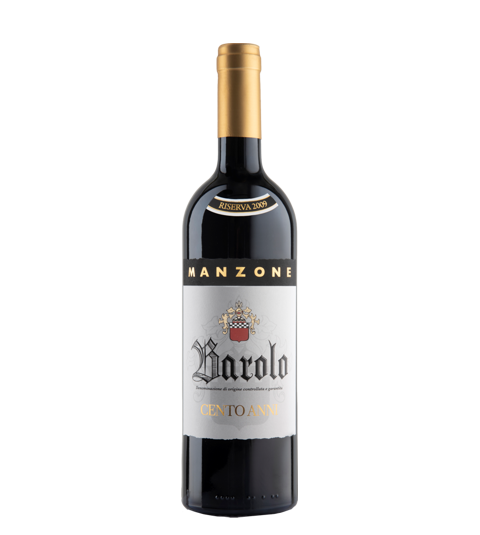
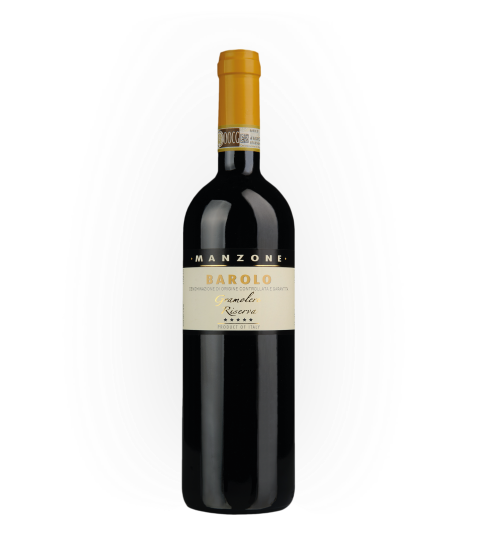
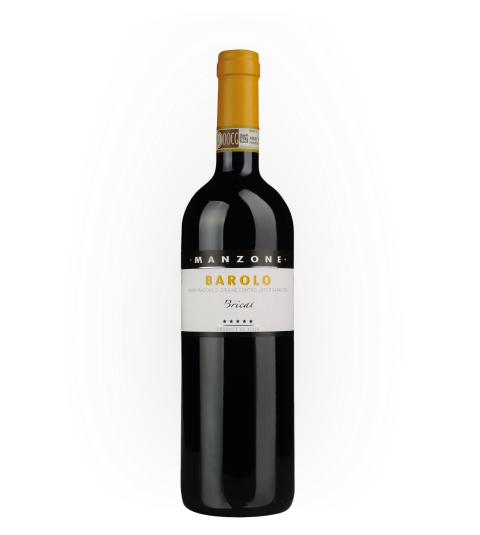
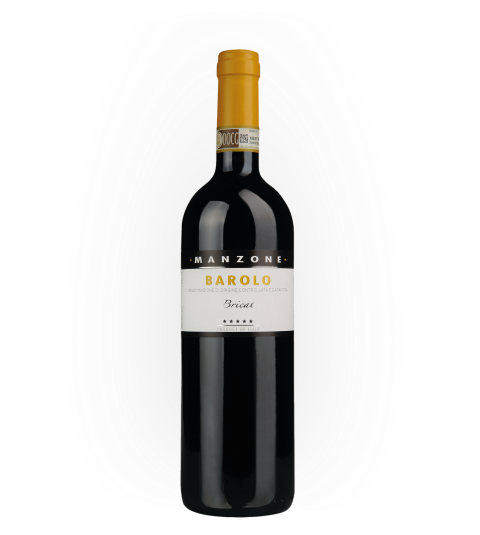
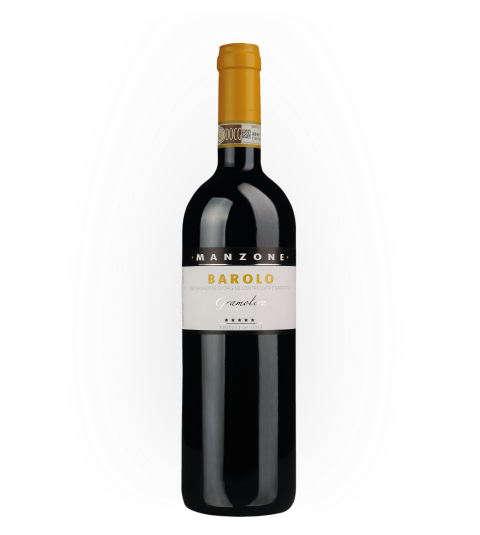
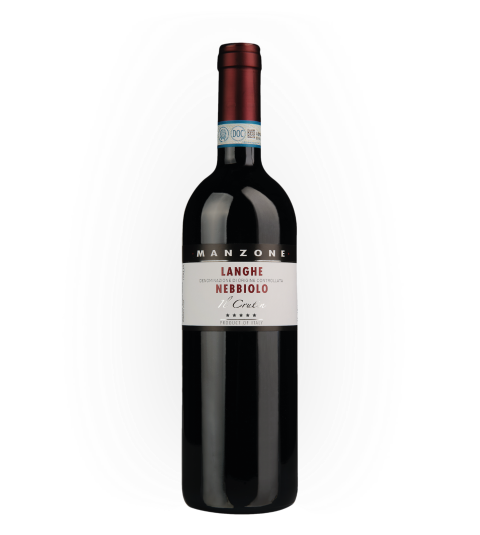
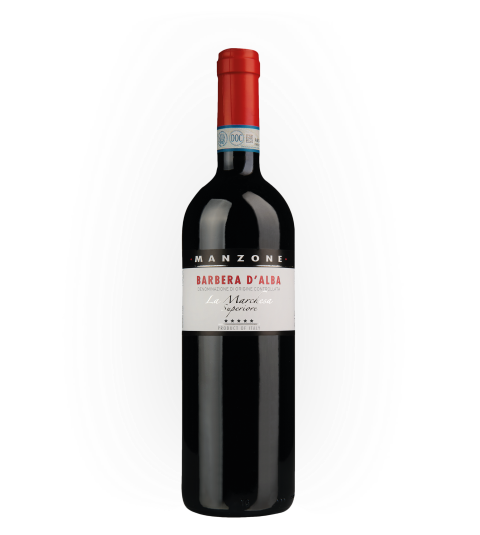
At Manzone Giovanni, the family’s historic holdings in Monforte d’Alba include recognised sites such as Gramolere, Castelletto, Il Crutin and La Marchesa. You can explore the complete selection of our Barolo and Langhe wines to see how each vineyard expresses its unique identity through respectful viticulture and a non-intervention cellar philosophy.
Arrange your journey with care
A car is the most practical way to explore Barolo country. Villages sit close together on a map, but the roads wind through steep hills and can be narrow. Leave generous time between appointments. A fifteen-minute route may take longer than expected when tractors, cyclists or a particularly beautiful view slow the journey.
If you prefer not to drive, arrange a local driver or join a private guided itinerary. This is especially sensible if you intend to taste seriously. Barolo is not a wine to rush through, and a full tasting can include several wines with meaningful alcohol levels. Spitting is normal and entirely appropriate, even for experienced tasters.
Base yourself in or near one of the principal villages – Monforte d’Alba, Barolo, La Morra, Serralunga d’Alba or Castiglione Falletto – and avoid trying to cover the entire denomination in one day. Two thoughtful visits are usually more valuable than four brief stops. Leave room for a walk through a village, a quiet lunch, and the chance to notice how the light changes across the slopes.
Arrive ready to taste, not merely to drink
Eat beforehand, wear comfortable shoes and avoid strong fragrance. Perfume can distract from the fine floral, herbal and mineral notes that make Nebbiolo so expressive. If a vineyard walk is part of the visit, sensible footwear is more useful than polished formality. The Langhe is elegant, but it is also agricultural land.
A good host may begin with the estate’s story, explain the vineyards and then lead you into the cellar before the tasting. Listen for the details that cannot be read from a label: the direction of a slope, the age of vines, a decision to harvest on a particular morning, or the choice of cask and time. These are not incidental facts. They are part of the wine’s identity.
Taste slowly. Begin with colour, which in young Nebbiolo can be deceptively pale, then notice aroma, texture and the shape of the tannins. Barolo may seem reserved at first. Give it air and return to it after a few minutes. The fragrance can deepen from rose and red cherry towards dried herbs, spice, earth and tar, while the palate reveals its length gradually.
There is no obligation to like every wine equally. One visitor may be drawn to the firmness and depth of a structured Monforte Barolo; another may prefer a more lifted, immediately fragrant style. Say what you notice rather than searching for a perfect answer. A thoughtful producer will welcome a genuine response.
Ask questions that reveal the place
The best questions are specific but open. You might ask how the estate distinguishes one cru from another, how a recent vintage affected tannin or ripeness, or what changes in the vineyard have been made to preserve soil health. If you are considering bottles for your cellar, ask when the producer believes each wine will begin to show its fullest character.
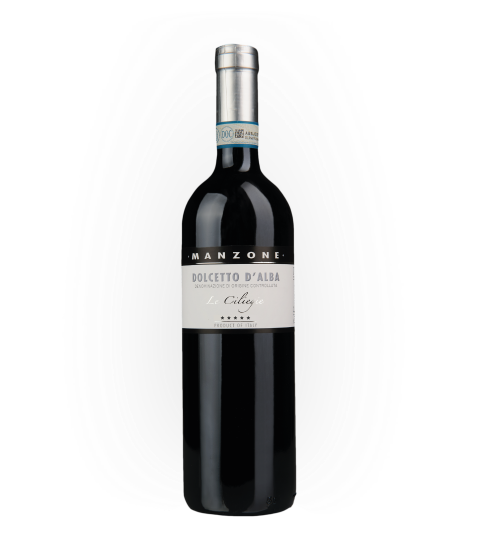
It is also worth asking about wines beyond Barolo. Barbera and Dolcetto are not secondary distractions when made with the same care. They can show another face of Piedmont and often offer earlier drinking pleasure. Tasting them alongside Barolo helps explain why Nebbiolo occupies its particular place in the region.
Avoid treating the visit as a scorecard of famous names. Critical recognition from respected publications can be useful confirmation, but it is not a substitute for attention. A bottle becomes more meaningful when you understand the land and hands behind it.
Buying wine after the tasting
If a wine moves you, buying directly from the estate is a fitting way to continue the relationship. Ask about current availability, formats, release dates and storage. Some wines are produced in limited quantities and may be allocated; others may be better value as mixed cases that let you follow several sites or vintages over time.
For travellers returning to Great Britain, practicalities deserve attention. Consider luggage limits, temperature during travel and any applicable import arrangements before committing to a case. In many instances, shipping directly to your doorstep is preferable to carrying bottles through several hotels and airports. By joining the Manzone Wine Club, you can have selected vintages delivered directly to your home throughout the year without worrying about travel logistics.
Above all, buy for the way you intend to enjoy the wine. A young Barolo can reward patience, but a cellar should not become a museum. Keep notes on what you tasted, the day, the vintage and the meal you imagine beside it. Years later, opening the bottle may bring back the ridge above Monforte, the scent of the cellar and the conversation that first gave the wine its context.
A Barolo winery visit is most generous when you leave time for it to settle. Take one bottle home, open it when the occasion deserves patience, and let the Langhe speak again at your table.