A Barolo labelled Riserva asks for patience before it asks for money. It also asks for trust. For collectors and serious drinkers, the question is not simply whether Barolo riserva worth buying is a good search phrase, but whether the bottle in front of you truly justifies the extra wait, the higher tariff and the promise carried by the word itself.
The short answer is yes – sometimes emphatically so. But not every Riserva is automatically finer than a standard Barolo, and not every cellar needs one. The value lies in provenance, vintage, site and the hand of the producer. In Barolo, a great Riserva should feel less like an upgraded label and more like a wine released only when time has clarified its character.
What makes a Barolo Riserva different?
Barolo is already one of the world’s great wines of long ageing. Made from Nebbiolo in the Langhe, it is shaped by altitude, exposition, marl and sandstone, old farming memory and careful élevage. Riserva does not change the grape or the denomination. It changes the relationship with time.
Under the appellation rules, Barolo Riserva is aged longer before release than Barolo. That extra maturation matters. It allows tannins to settle, aromatics to widen and the wine’s architecture to become more legible. When handled with restraint, longer ageing does not soften Barolo into complacency. It deepens detail. Tar, dried rose, liquorice, orange peel, woodland spice and iron can emerge with greater precision.
That is why the best examples attract buyers who care about bottle age but do not want to wait decades from release. A serious Riserva may arrive on the market with some of the early austerity already resolved, while keeping the tension and longevity that define fine Nebbiolo.
Is Barolo Riserva worth buying for every drinker?
Not necessarily. If you enjoy the brightness and energy of younger Barolo, a standard bottling from a strong site may give more immediate pleasure and better value. If you are building a cellar, however, Riserva can make excellent sense. It offers a producer’s more selective judgement and a more patient release schedule. In the right hands, that combination is compelling.
The trade-off is price. Riserva usually costs more, and it should. Longer ageing ties up stock, space and capital. It also raises expectation. Buyers are right to be demanding. A Riserva should not merely be older. It should show greater composure, finer integration and a longer horizon in the glass.
There is also a stylistic consideration. Some drinkers prefer the more lifted red fruit and stricter profile of classic Barolo. Others look for the gravitas that comes with extended ageing. Neither preference is wrong. Barolo remains a wine of nuance, not hierarchy alone.
When a Riserva earns its place in the cellar
The strongest case for buying Riserva begins in the vineyard. Barolo is not a generic luxury product. It is a landscape rendered in Nebbiolo. The finest wines come from sites with clear identity, where exposition, drainage and soil composition contribute to structure as much as aroma. In these cases, extra ageing can reveal the vineyard with greater calm and authority.
Producer philosophy matters just as much. If cellar work is heavy-handed, time can polish the surface while muting the soul. If the approach is measured, the wine keeps its origin intact. This is where non-intervention and terroir fidelity become more than fashionable phrases. They are essential safeguards. A Barolo Riserva worth buying should still taste of where it was grown, not merely of how long it was stored.
Vintage is the next point of judgement. In classic, structured years, Riserva can be remarkable because the fruit has the depth and acidity to carry extended ageing with ease. In softer or warmer vintages, longer ageing may still produce beautiful wines, but the result may be broader and less taut. That does not make it inferior. It simply changes the style. Experienced buyers learn to match the vintage to their own taste rather than chase a title on the label.
Barolo Riserva worth buying: what to look for
A worthwhile bottle begins with a serious producer, one with historic vineyard holdings, consistency across vintages and a reputation for letting the cru speak clearly. In Barolo, heritage is not decoration. Family continuity often means long familiarity with each parcel and a deeper instinct for when a wine deserves extended ageing.
Look too at the estate’s relationship with oak. New wood can add sweetness and gloss, but with Nebbiolo it can also blur perfume and tighten the finish in the wrong way. The best Riserva bottlings carry maturity without cosmetic weight. They feel complete, not dressed up.
Critical recognition can be useful, though it should not replace your own judgement. When respected tasters consistently note precision, ageing potential and site expression, it usually signals a producer working at a high level. Still, scores alone do not tell you whether a wine belongs on your table. Barolo is too personal for that.
Finally, consider why you are buying. If the bottle is for a milestone dinner in the next year or two, Riserva may be the more dependable choice because it has already had more time to settle. If you are cellaring for the long term, a standard Barolo from a great cru may evolve just as nobly, sometimes with greater value at the outset.
Does Riserva always mean better than Barolo?
No. It often means rarer, older on release and more expensive. Better depends on the estate and the wine. Some producers make outstanding standard Barolo and reserve the Riserva designation only in select years. Others release a Riserva more routinely. For the buyer, that distinction is crucial.
A selective Riserva tends to inspire more confidence. It suggests the wine has earned the designation through character rather than category management. If a producer is disciplined enough to skip Riserva in years that do not warrant it, that restraint usually says something reassuring about standards.
This is where fine Barolo differs from prestige wine marketing. The point is not to create tiers for their own sake. The point is to respect what the vintage and vineyard have given. Sometimes that leads to a profound Riserva. Sometimes the most honest expression is a standard Barolo with no need for embellishment.
How Barolo Riserva behaves at the table
One reason collectors return to Riserva is that it often arrives at a more articulate stage of life. The tannins are still present, but they tend to be less angular. The savoury register becomes more pronounced. Truffle, porcini, game, braised beef and mature hard cheeses find a natural partner here.
That said, older release does not mean ready in every sense. A young Riserva can still benefit from air, a broad glass and a little patience at table. It may open slowly over an evening, shifting from stern to expansive. That evolution is part of the pleasure. Barolo is a wine that rewards attention.
For those buying in Britain, Riserva can also make practical sense when storage conditions at home are less than ideal for very long ageing. Purchasing a bottle that has already spent extra years maturing under professional cellar conditions can remove some uncertainty.
A question of value, not only price
Value in Barolo is rarely about the cheapest bottle. It is about what remains in memory after the bottle is empty. A true Riserva can offer that extra register of calm, depth and resonance that marks out mature Nebbiolo at a high level. When vineyard pedigree, patient ageing and restrained winemaking come together, the premium feels justified.
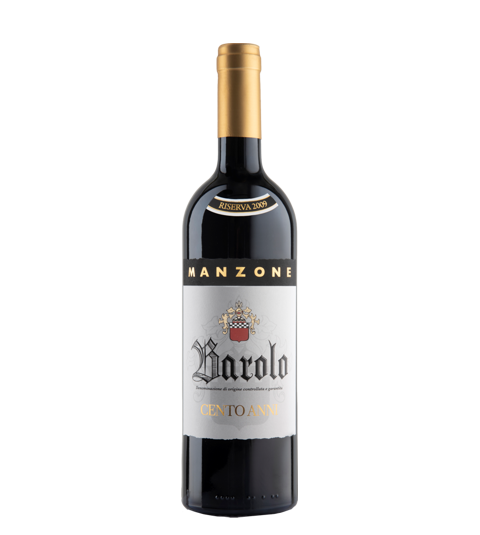
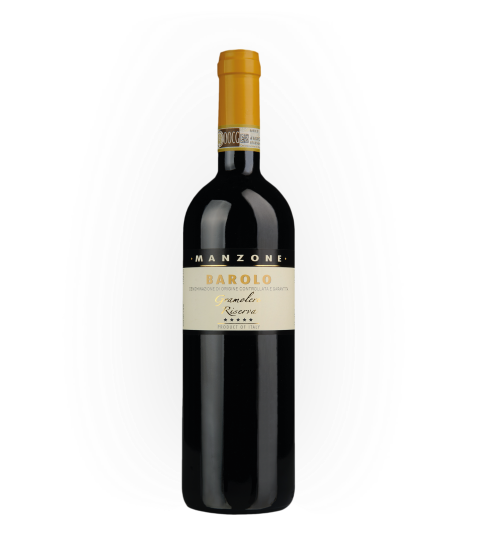
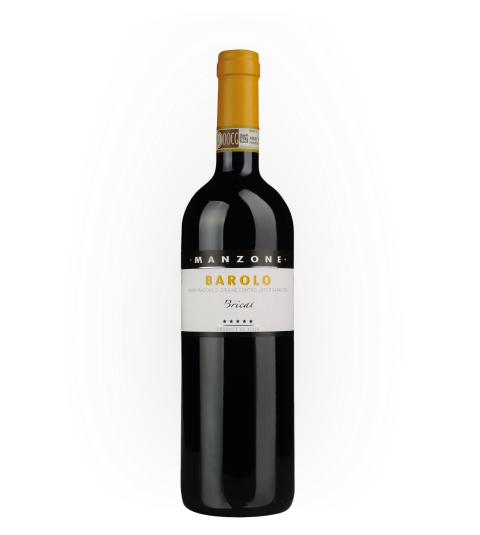
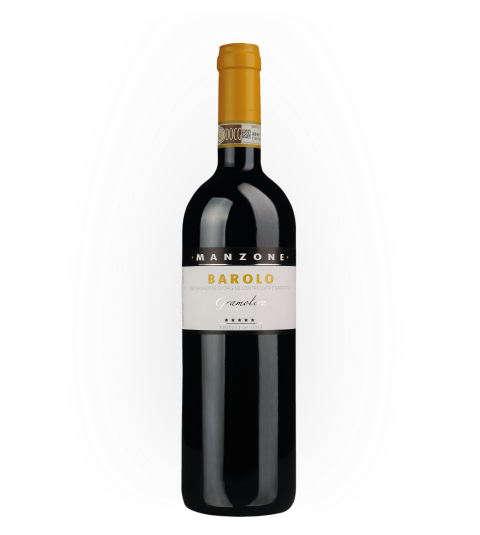
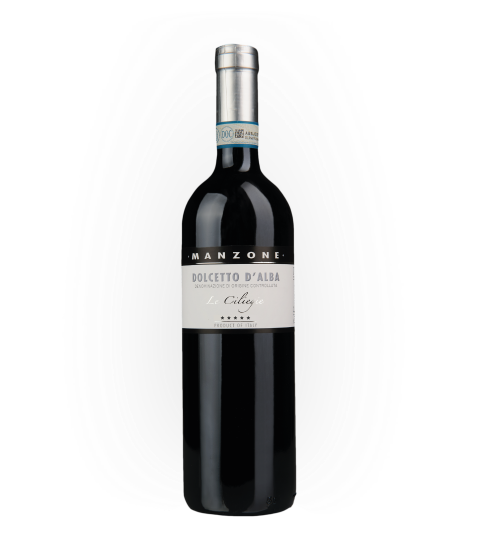
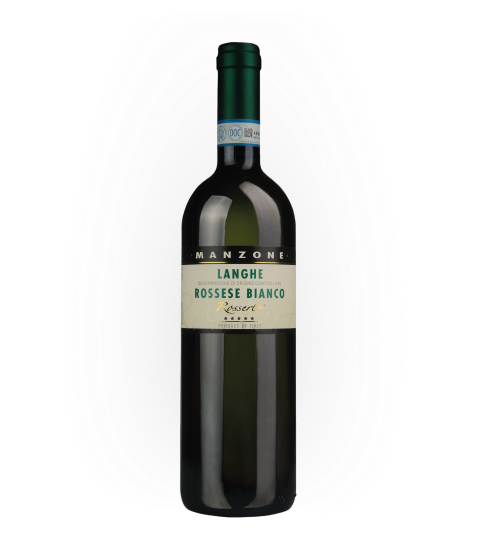
For readers who seek authenticity above fashion, this is the real measure. A Barolo Riserva worth buying is one that speaks clearly of the Langhe, of a specific slope, of a producer confident enough not to overwork the wine. Estates such as Manzone Giovanni have built their reputations precisely on this belief – that time should reveal origin, never conceal it.
If you buy thoughtfully, Riserva is not an indulgence. It is a more deliberate form of pleasure, one that asks you to value patience, place and the quiet authority of a wine that has been allowed to become itself.