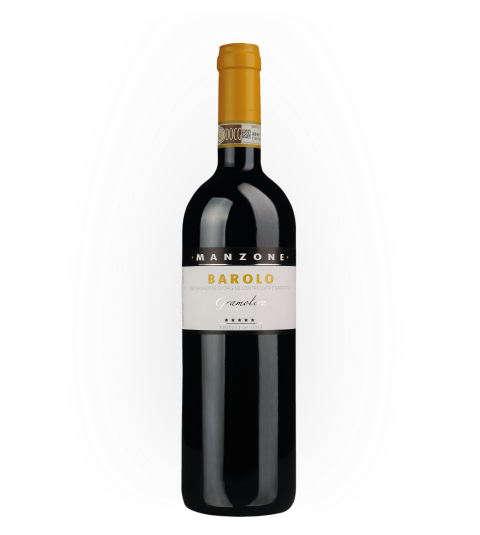


A bottle of Barolo can seem reserved at first: its perfume held close, its tannins firm, its detail still gathering itself in the glass. That is precisely why the question of when should Barolo be decanted deserves more than one fixed answer. Decanting can reveal the grace of Nebbiolo, but it can also hurry a mature wine beyond its most expressive moment.
Barolo is made for time. Its structure comes from Nebbiolo, a grape of perfume, acidity and tannin, grown on the varied hillsides of the Langhe. A young bottle may need air to show its generosity; an older bottle may need only a quiet, careful pour. The right decision begins with the wine in front of you, not a rule printed on a menu.
When should Barolo be decanted?
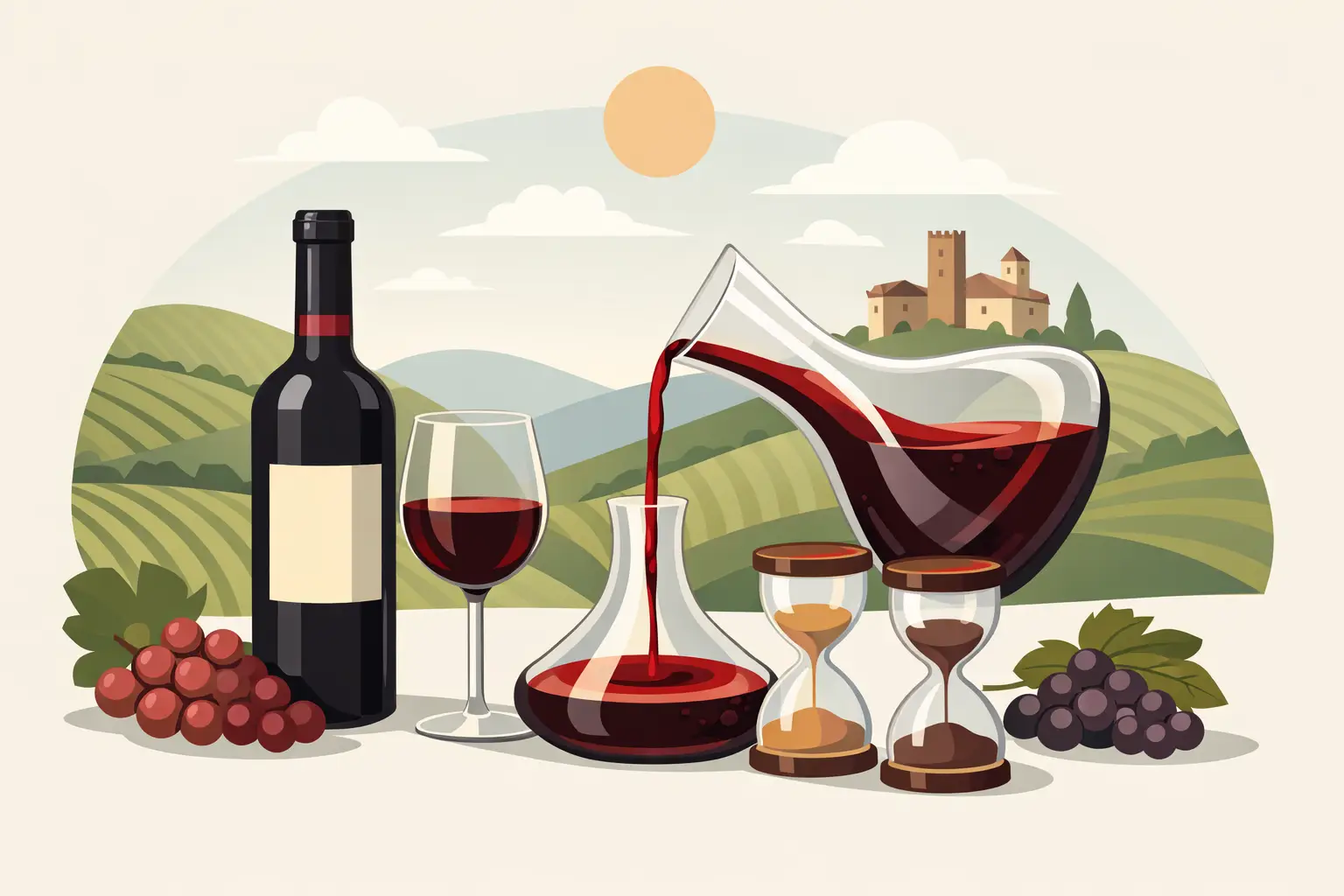
As a practical starting point, decant Barolo when it is young, tightly wound or showing clear signs of reduction after opening. For most bottles in their first ten to fifteen years, one to two hours in a decanter is often beneficial. Particularly concentrated vintages, or wines from structured sites such as Monforte d’Alba, may reward two to three hours of air.
The purpose is not simply to soften tannin. Good Barolo should retain its line and tension. Air allows the wine’s aromatic layers to emerge: rose petal, wild strawberry, sour cherry, orange peel, liquorice, dried herbs and the earthy mineral notes that speak of place. The palate often becomes more harmonious too, as fruit, acidity and tannin find a clearer balance.
Yet decanting is not a test of generosity. A bottle that is already open and expressive may need only a large glass and twenty minutes at the table. The finest service is attentive rather than automatic.
Young Barolo: give structure time to unfold
A Barolo released only a few years ago can be powerful, compact and marked by youthful tannin. Even when the fruit is generous, its aromas may feel restrained immediately after the cork is drawn. For these wines, decanting is usually the right choice.
Pour the bottle steadily into a clean decanter, ideally one with a broad base that gives the wine a generous surface area. Leave it for around two hours, tasting a small measure after the first hour. If the nose remains closed or the tannins feel severe, allow a little longer. There is no need to force the wine. It will tell you when it has begun to open.
A very young Barolo, perhaps within five to eight years of the vintage, may benefit from three hours in the decanter. This is especially true where the growing season produced firm tannins and concentration. The trade-off is that too much air can make the most delicate floral notes less distinct, so check the wine rather than setting it aside and forgetting it.
Barolo at ten to twenty years: decant with judgement
This is often a beautiful stage for Barolo. Primary fruit begins to give way to more complex notes of tea leaf, tobacco, truffle, forest floor and balsamic herbs, while the tannins gain a finer texture. Many bottles in this period benefit from thirty minutes to one and a half hours of air.
The precise timing depends on storage, vintage and vineyard character. A bottle kept well in a cool, stable cellar may still be remarkably youthful at fifteen years. Another, from a warmer vintage or with a softer structure, may be ready almost as soon as it is opened.
For a bottle of this age, begin conservatively. Open it, pour a small taste and assess its energy. If the nose is quiet but the wine feels sound, decant it gently for forty-five minutes. If its fragrance is already lifted and its palate is supple, serve it from the bottle and allow it to evolve over the meal.
Mature Barolo: separate sediment, do not chase air
With Barolo aged twenty years or more, the aim changes. Mature wines can be profoundly fragrant but fragile, and their bouquet can fade quickly when exposed to too much oxygen. Decanting may still be necessary, chiefly to remove sediment, but it should be done immediately before serving.
Stand the bottle upright for at least a day before opening so that sediment settles at the base. Remove the cork carefully. Then pour slowly into a narrow decanter or serving vessel, stopping as soon as sediment reaches the shoulder of the bottle. There is no advantage in giving an old Barolo a long, theatrical aeration.
Taste it first. If it is delicate and already complete, serve without delay. If it is slightly closed, ten to fifteen minutes may be enough. A mature Barolo can develop beautifully in the glass, revealing its story gradually rather than all at once.
How to judge whether your Barolo needs air
Bottle age offers a useful guide, but it is not the whole picture. Barolo is shaped by vintage, vineyard, cellar work and, above all, how the bottle has been stored. The cork is also a small but meaningful variable. Two bottles from the same case can show themselves differently.
Look first at the wine’s aromatic expression. A newly opened Barolo that smells muted, smoky or slightly reductive is asking for air. One that immediately offers clear floral perfume and savoury complexity may be ready to pour. On the palate, youthful tannin is not a fault. But if the wine feels hard, compressed and disconnected, decanting will often help it find its proportions.
Do not confuse sediment with a need for aeration. Sediment is natural in a traditionally made, age-worthy wine, particularly as it matures. It signals the evolution of the bottle, not a problem to be corrected. Decant gently for clarity, then let the wine set the pace.
The right way to decant Barolo
A clean, neutral decanter is all that is required. Avoid vessels scented with detergent, cupboards or old cork. Rinse with a little of the wine if you wish, then discard it before decanting the bottle.
For young Barolo, pour with confidence down the side of a broad decanter. This introduces air without agitation. For older bottles, use a light source behind the neck and pour slowly, keeping the sediment in the bottle. There is no need for a candle ceremony, only patience and a steady hand.
Temperature matters as much as decanting time. Serve Barolo at roughly 16 to 18°C. A room that feels comfortable in a British home is often too warm for fine red wine, particularly beside a fire or during a crowded dinner. If the wine becomes warm, alcohol becomes more prominent and its perfume loses definition. A brief rest in a cool room can restore balance.
Glassware also changes the experience. A large bowl gives Nebbiolo space for its perfume to rise, allowing each guest to follow the wine’s evolution. This is especially valuable with Barolo, which can show a different face from the first pour to the final glass.
Food changes the answer
Barolo at the table rarely behaves exactly as it does in a solitary tasting. With braised beef, game, porcini, truffle or aged cheeses, its tannin can seem less assertive and its savoury character more complete. A bottle that appears severe on its own may become beautifully composed once food arrives.
For this reason, avoid decanting purely by the clock when serving a substantial meal. A young wine can be opened and decanted an hour before guests sit down, then poured gradually through dinner. Its character will develop alongside the food. This measured approach respects the wine’s natural rhythm.
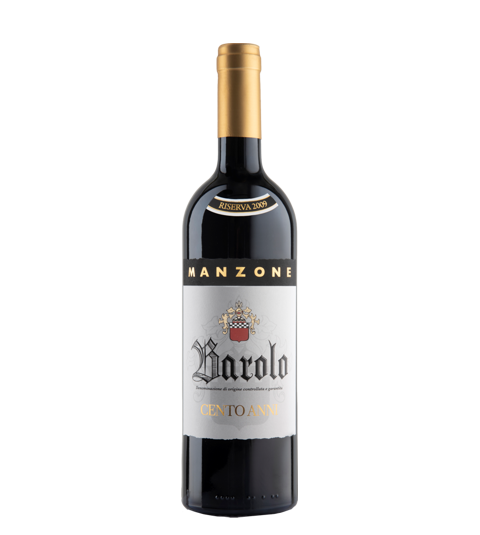
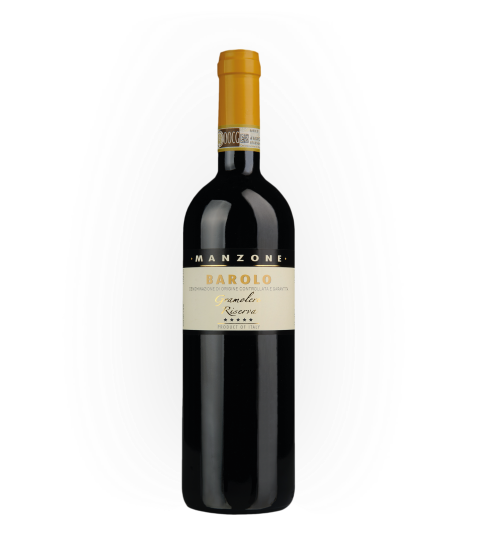
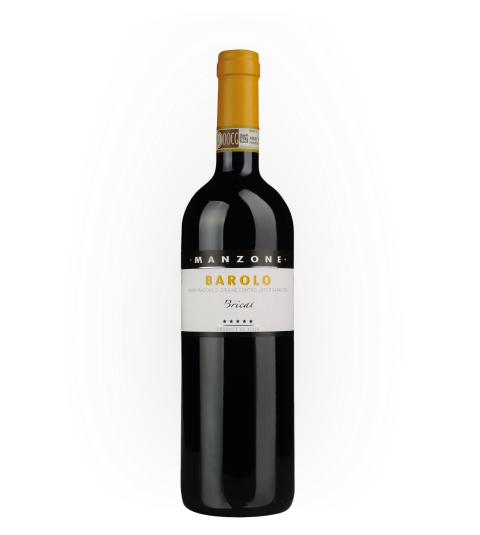
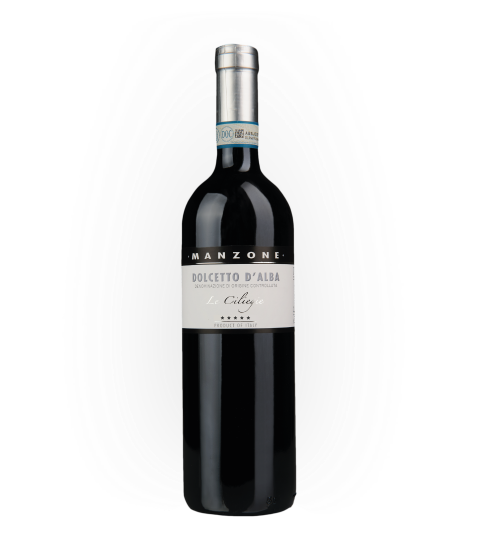
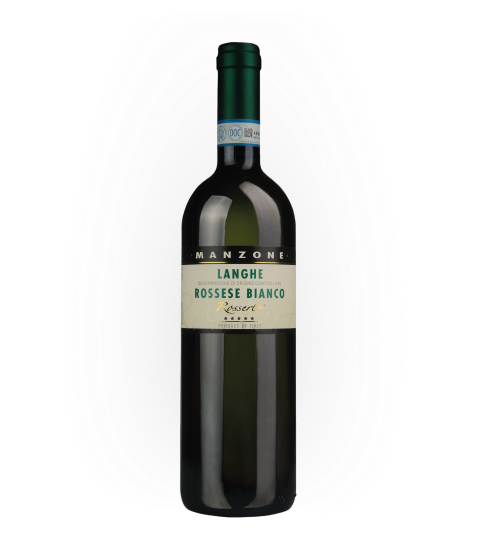
At Manzone Giovanni, Barolo is understood as the expression of a hillside, a season and a patient family craft. Its personality should not be polished away in pursuit of immediate softness. Air is a tool for revelation, not correction.
The next time you open a bottle, give it a first taste before reaching for the decanter. Then allow the wine, its age and the occasion to guide you. Barolo rewards that small act of attention with a fuller sense of its origin.