

A glass of deep ruby red, with aromas of dried rose petals, spices, and damp earth: welcome to the beating heart of Piedmontese winemaking.
Here, among the gentle hills of the Langhe, the vine finds its most authentic expression—a deep bond between man and land that tells a story of generations filled with passion and tradition. This is a living land, where every sip reveals a millennia-old heritage.
And it is in this extraordinary setting that two iconic wines take shape: Barolo and Barbaresco.
Both born from the Nebbiolo grape, they are pure expressions of a region steeped in history and tradition.
But what is the true difference between Barolo and Barbaresco?
It’s not a matter of choosing the “better” wine, but of understanding the deeper soul of each. In this article, we guide you on a sensory and cultural journey—an honest comparison between these two giants—to reveal their unique qualities: from the geographical zones that shape them, to the flavors that define them, and the winemaking techniques behind each.
Origins and Terroirs: Two Souls, Two Geographies
The first, and perhaps most obvious, difference between Barolo and Barbaresco lies in their geographic cradle.
Barolo, a wine of majestic character, is produced in a broader area that includes 11 communes within the Langhe, such as Monforte d’Alba, La Morra, and, of course, Barolo itself.
In these areas, the vines yield grapes with varying characteristics.
Barbaresco, on the other hand, is a more intimate wine, produced in just four communes: Barbaresco, Neive, Treiso, and part of Alba.
This concentrated production in a smaller, specific territory gives Barbaresco a greater degree of consistency and homogeneity compared to Barolo.
Food Pairings: Barolo or Barbaresco at the Table?
The choice between Barolo and Barbaresco at the table is all about harmony. Both are wines for special occasions, yet they offer different approaches.
Barolo, with its powerful structure, is ideal for rich, flavorful dishes: braised meats, roasted red meats, game, and aged cheeses.
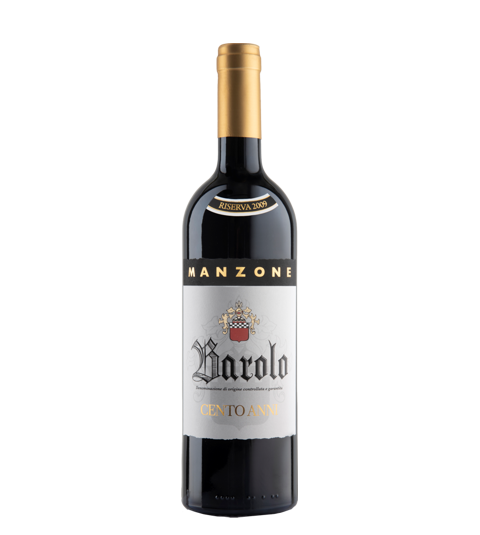
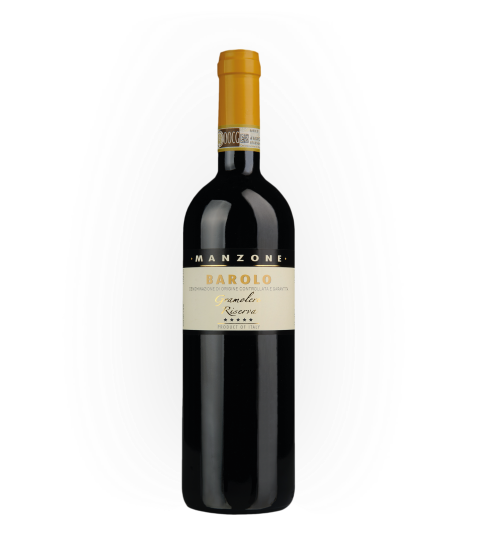
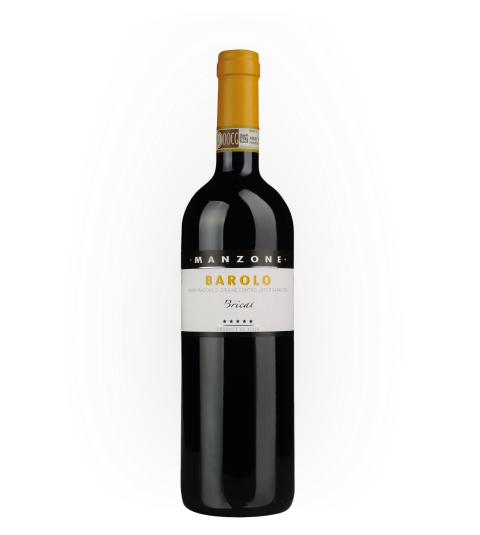
In this regard, our Manzone Giovanni labels pair beautifully with these preparations, which are also typical of the production area.
Barbaresco, on the other hand, is more agile and lends itself to a wider range of pairings: refined white meats, tajarin with Langa-style ragù, porcini mushrooms, and medium-aged cheeses. Its versatility also makes it well-suited to more casual lunches or dinners.
Ultimately, the choice depends on the dish, the occasion, and personal taste. The key is to experiment and discover pairings that best enhance the wine’s character.
Nebbiolo: One Grape, Two Distinct Expressions
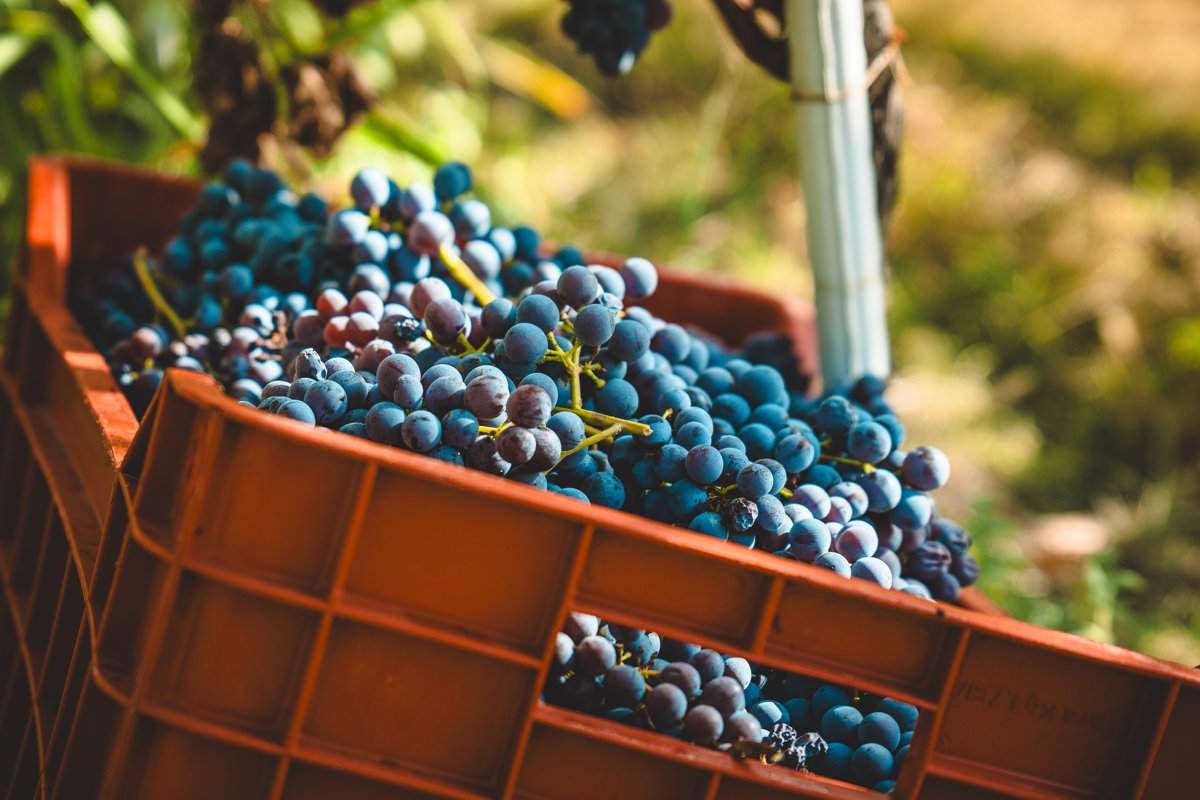
It’s fascinating how two such different wines can come from the same grape: Nebbiolo.
In Barolo, Nebbiolo expresses its most austere and regal soul. It demands patience, with firm tannins and an imposing structure. It invites you to discover it slowly, revealing layers of complexity. On the nose, it offers an explosion of complex aromas: wilted rose, violet, tobacco, leather, licorice, sweet spices, and truffle. On the palate, it is powerful and structured, with firm yet elegant tannins, vibrant acidity, and lasting aromatic persistence, leaving a deep impression of complexity. It’s a wine to savor patiently, ideal for special occasions.
Barbaresco, while still full of character, tends to be softer and more floral. On the palate, Barbaresco shows grace while maintaining depth and persistence. On the nose, it is more floral and fruity, with notes of violet, rose, cherry, raspberry, and delicate spices
Aging and Regulations: How Time “Shapes” the Wine
The production regulations for Barolo and Barbaresco safeguard tradition and quality, reflecting the intrinsic characteristics and aging potential of these wines.
To be labeled as Barolo DOCG, a wine must age for a minimum of 38 months, of which at least 18 must be in wooden barrels (62 months for the Riserva).
These extended aging periods allow Barolo to soften its tannins, integrate aromas, and develop extraordinary depth and longevity. It’s a slow, almost alchemical process.
Barbaresco DOCG, while still a wine of great structure, requires shorter aging: at least 26 months, with a minimum of 9 months in barrel (50 months for the Riserva).
This shorter refinement makes Barbaresco more approachable earlier, with immediate aromatic appeal, while still offering good aging potential.
This distinction is not a judgment of quality, but rather a reflection of the different characteristics of the terroir: Barolo needs more time to reach its unique balance, while Barbaresco can be enjoyed sooner, yet continues to reveal new nuances as it matures.
Price and Availability: An Investment in Taste
When it comes to Barolo and Barbaresco, price is always a point of interest.
Barolo generally falls into a slightly higher price range, mainly due to its more limited production and longer aging requirements.
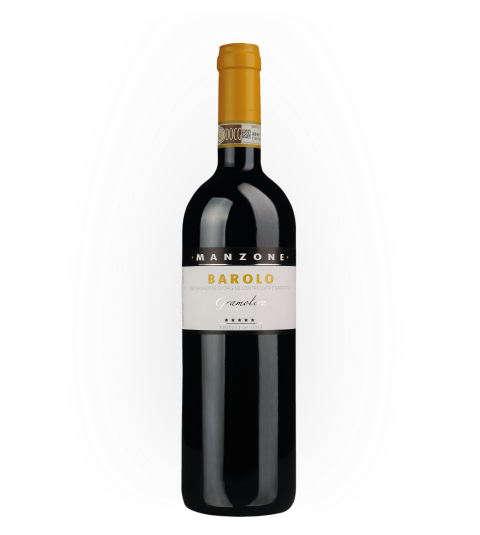
However, it’s not about determining which wine is better; both offer exceptional quality at slightly different price levels. Our Barolo labels from Manzone Giovanni, for example, represent a virtuous balance between constant attention to quality, respect for territorial identity, and the richness of our distinct Crus, each with its own unique character.
Food Pairings: Barolo or Barbaresco at the Table?
The choice between Barolo and Barbaresco at the table is a matter of harmony. Both are wines for special occasions, but with different approaches. Barolo, with its imposing structure, is ideal for rich and flavorful dishes: braised meats, roasted red meats, game, and aged cheeses.
In this context, our Manzone Giovanni labels pair beautifully with these dishes, which are also typical of the region where they are produced.
Barbaresco, on the other hand, is more agile, lending itself to a wider range of pairings: refined white meats, tajarin with Langa-style ragù, porcini mushrooms, and medium-aged cheeses. Its versatility also makes it suitable for more casual lunches or dinners.
The choice depends on the dish, the occasion, and personal taste. What matters most is experimenting and discovering the pairings that best enhance the wine.
Barolo or Barbaresco? What Matters Is Awareness
At the end of this journey, we can conclude—as is often the case with wine—that we cannot simply rely on strict distinctions between appellations.
What truly matters is being fully aware of what you’re looking for as a consumer, and understanding the characteristics expressed in the bottle you wish to bring to the table.
This comparison between two different “siblings”—two magnificent interpretations of the Nebbiolo grape—is simply a narrative of the wonderful world represented by the winemaking heritage of the Langhe.
Every glass of these remarkable wines faithfully and characterfully represents the true story of the land, with respect and clarity.
This mission—to represent a territory in the best possible way—is the greatest source of pride for those of us who are fortunate enough to work here, creating a product that is one of the most iconic and recognized expressions of Italian excellence worldwide.
If you want to taste the essence of Barolo and discover the deep roots of this land, book a visit to the Manzone Giovanni winery and slowly immerse yourself in this world of authenticity and winemaking passion.
Our doors are open for you to explore our history, philosophy, and taste our Barolo wines. Visit us in Monforte d’Alba for an experience that goes beyond simple tasting—an authentic journey into the heart of the Langhe.